
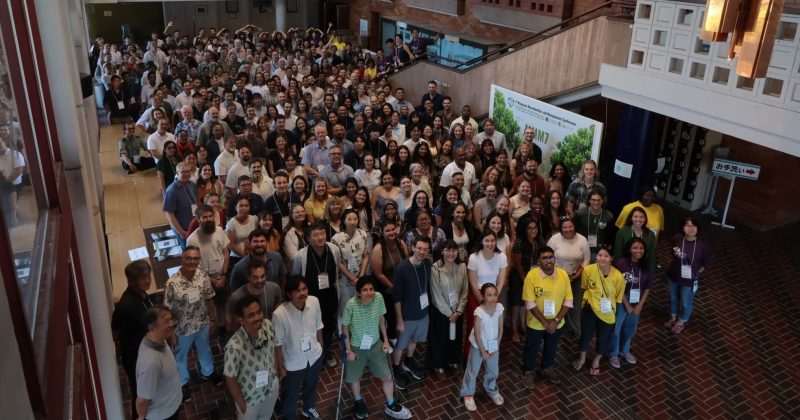
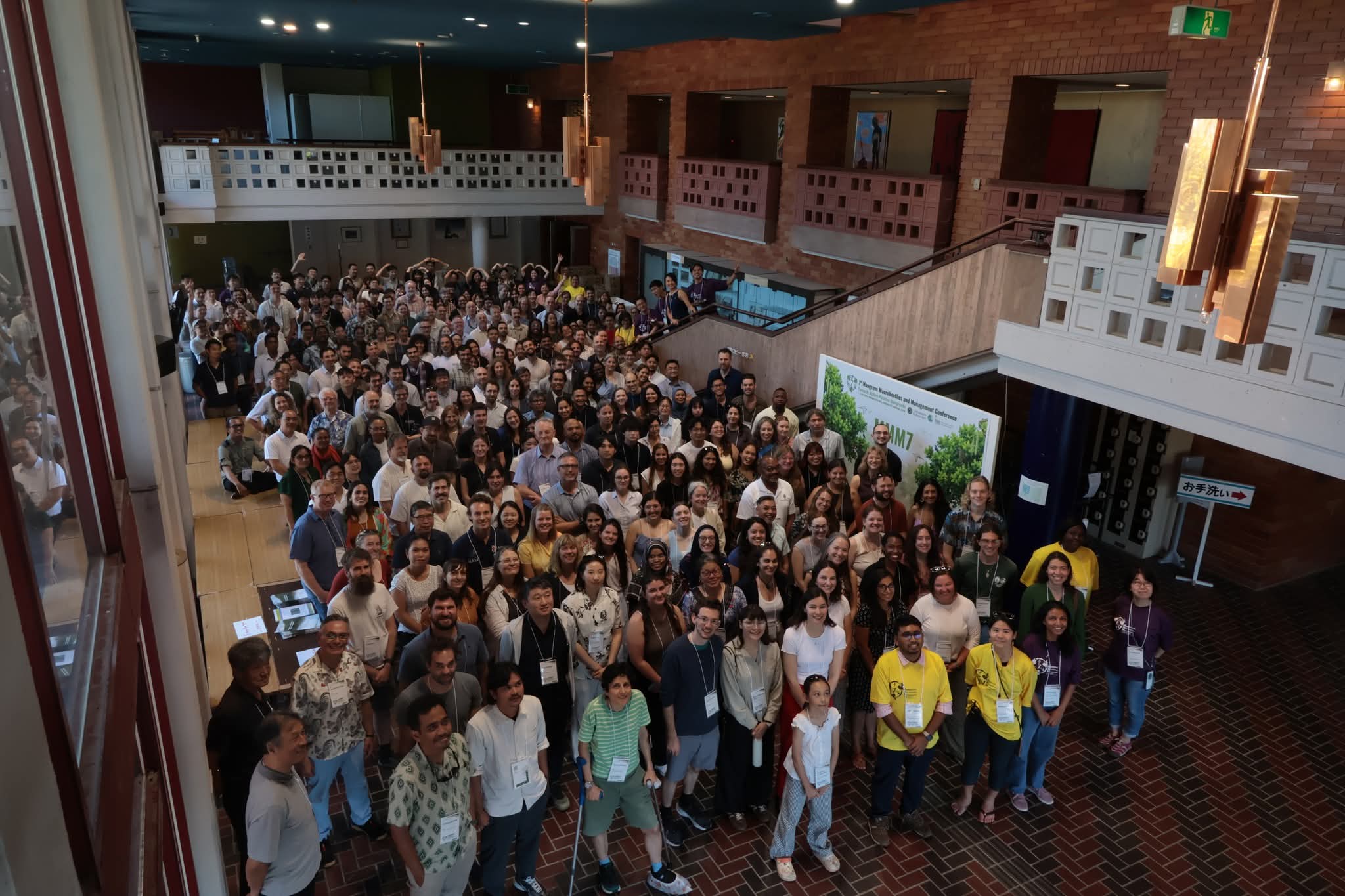
The WATER Lab team of the Institute of Biology, UP Diliman just recently participated in the 7th Mangrove Macrobenthos and Management Conference (MMM7) – Towards Nature Positive Mangroves – held in Ishigaki City, Japan on 1-5 July 2026. Scientists and mangrove managers have gathered in this event to exchange knowledge and strengthen collaboration for mangrove conservation and management.
The MMM7 Conference Committee was supported by the University of Ryukyus and the International Society for Mangrove Ecosystems (ISME).
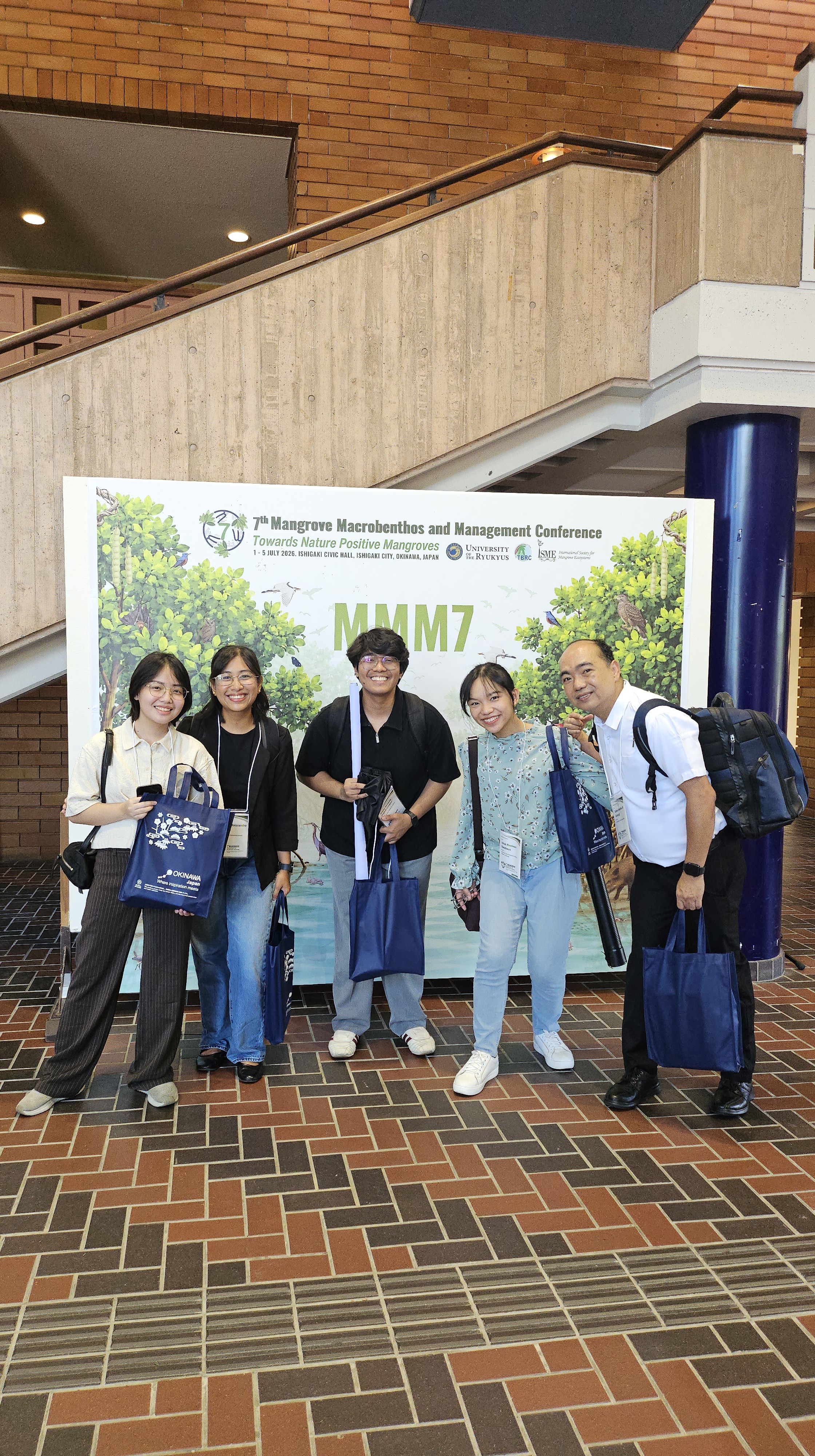
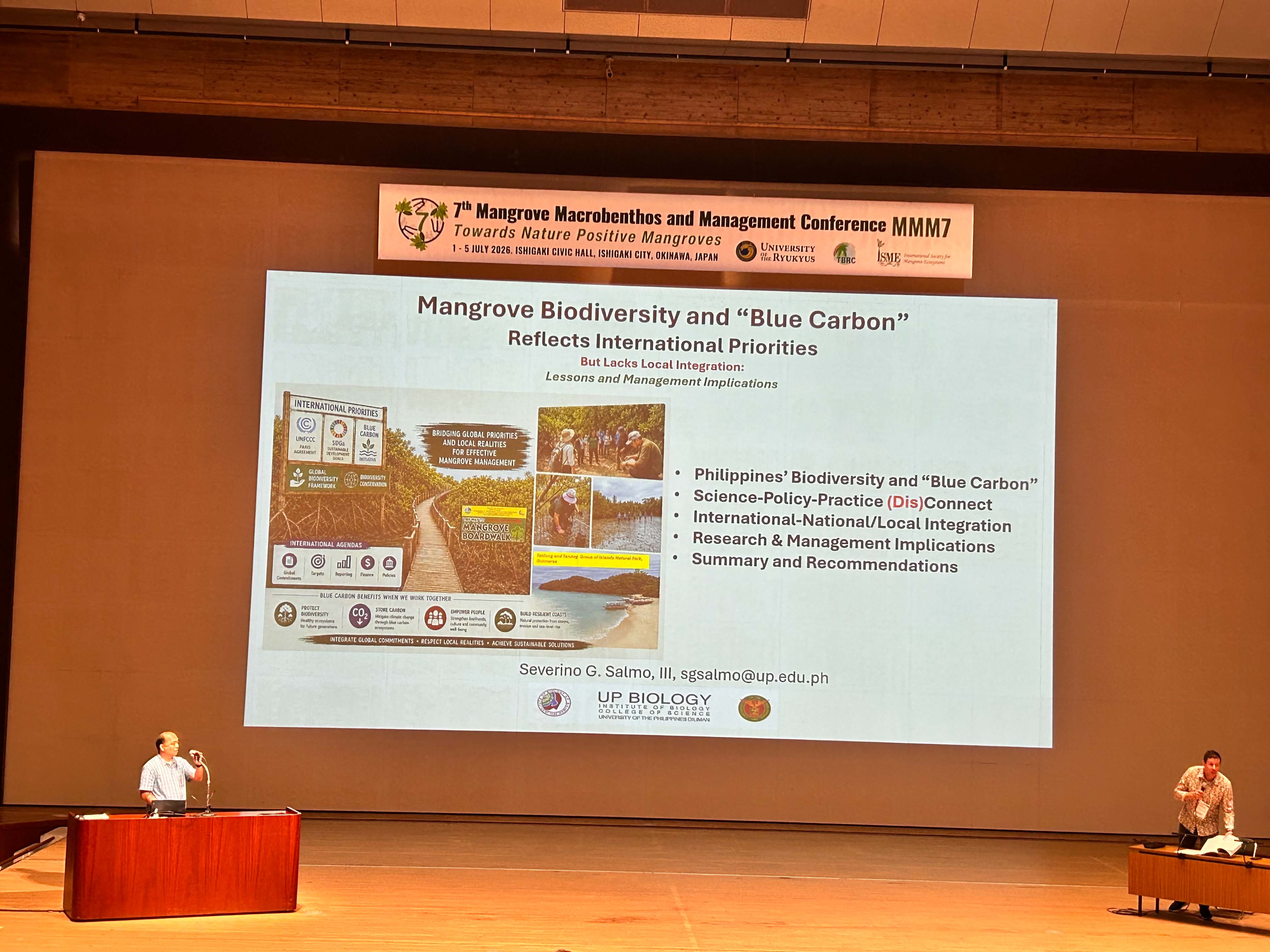
WATER Lab Members and Dr. Salmo’s Presentation in MMM7 Conference
Four of Dr. Salmo’s advisees presented their research through flash talks and poster presentations.
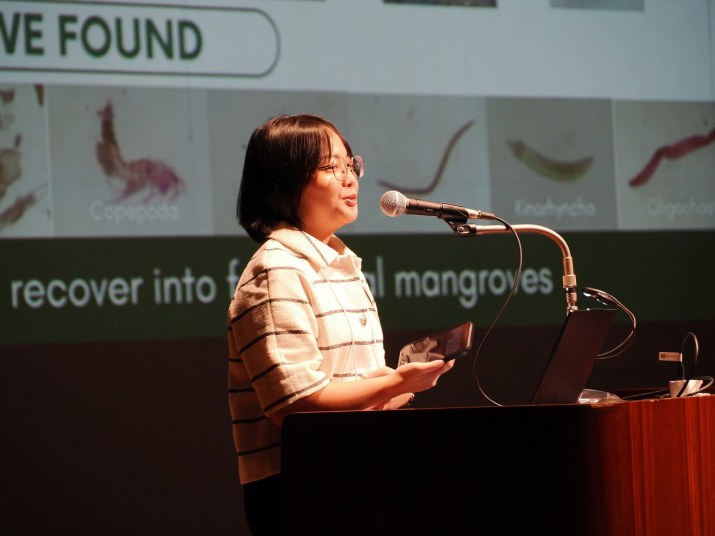
In Day 2, Jazrel Pauline H. Kallos presented her undergraduate thesis on the diversity and composition of meiofaunal communities across natural, recolonized, and planted mangrove forests in Southern Oriental Mindoro. The findings demonstrate the potential of mangrove restoration to recover below-ground biodiversity and restore essential ecosystem functions. Meanwhile, Kenneth Angelo L. Bagay, an MS Microbiology student, showcased his optimized primers for detecting protozoa and gastropod communities in Philippine mangrove sediments using eDNA. The study produced optimized protozoan (5,938F–6,198R) and gastropod (1,508F–2,094R) primers with improved specificity and coverage, providing a promising foundation for eDNA-based mangrove biodiversity assessment, ecosystem monitoring, and conservation.
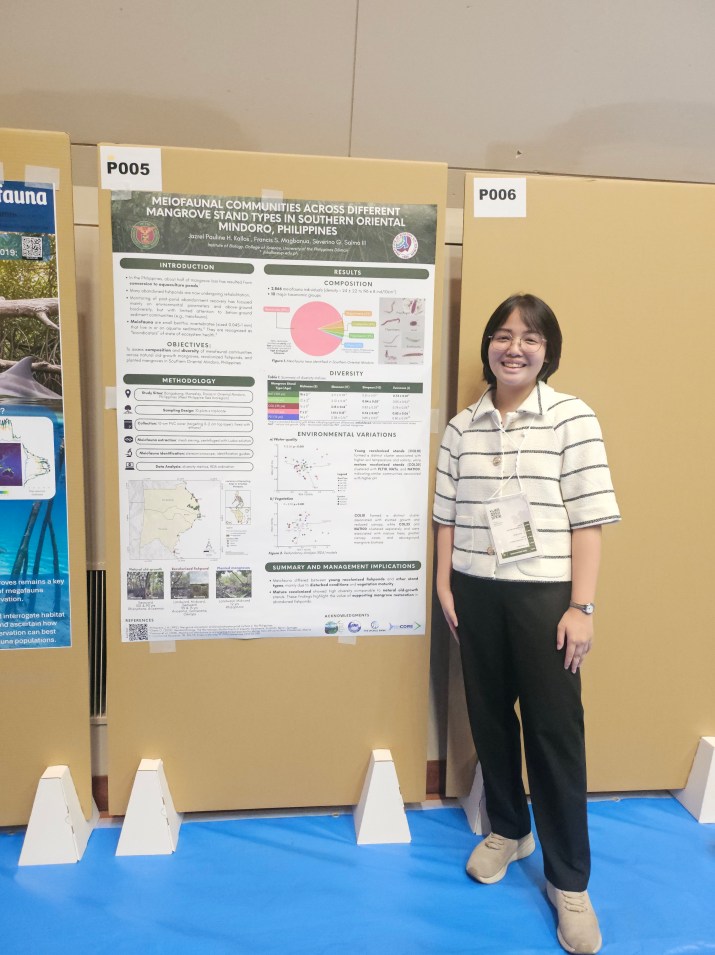
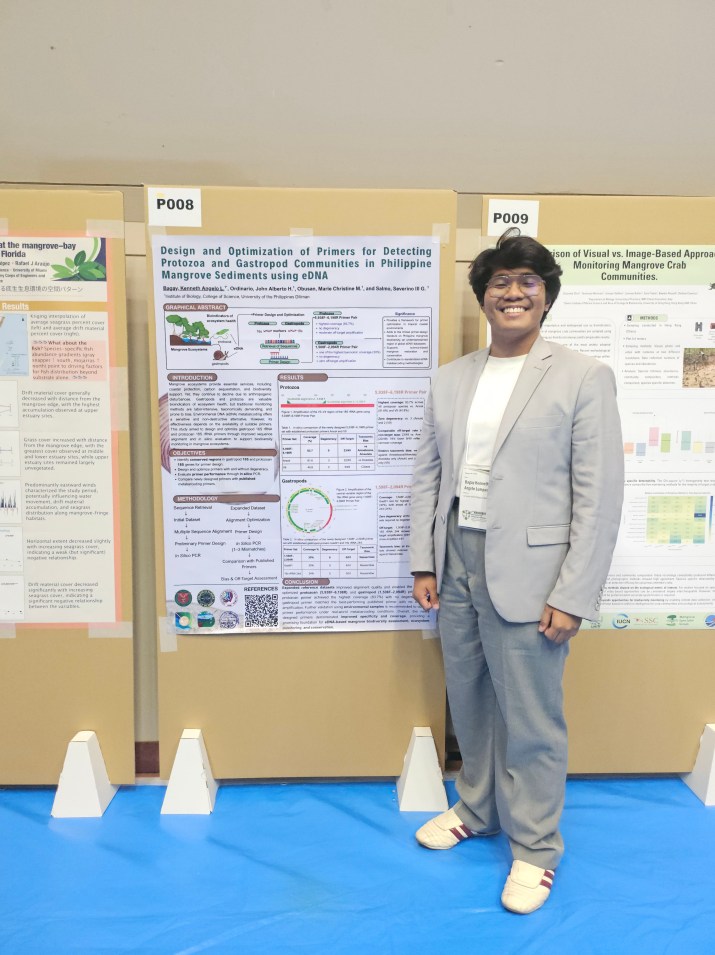
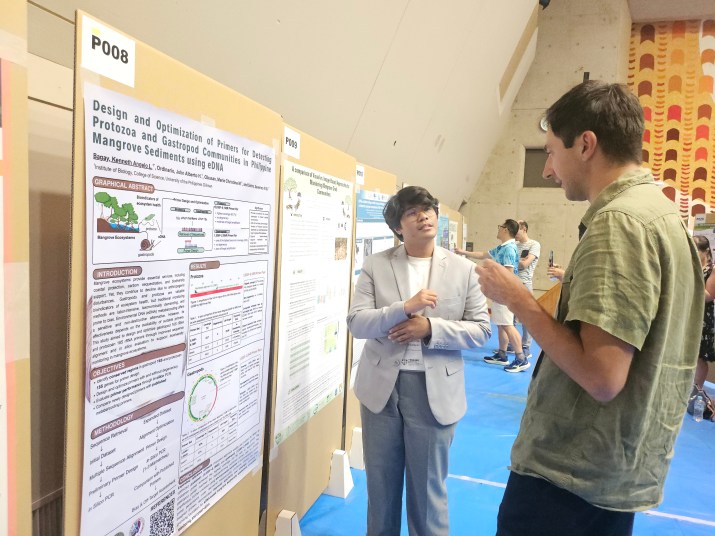
In Day 3, MS Biology student Precious B. Jacob discussed the integration of ecological data, satellite mapping, and local knowledge to produce a restoration roadmap tailored to the needs of Fisheries Management Area 6. The findings support evidence-based mangrove rehabilitation with long-term benefits for climate resilience and fisheries. At the same time, PhD in Biology student Alessandra Nicole L. Morado presented her work on the comparison of carbon stocks and soil carbon sequestration across natural, recolonized, and restored Philippine mangroves using repeated field measurements. The findings provide new insights into the permanence and additionality of blue carbon, informing more effective mangrove restoration and climate mitigation strategies.
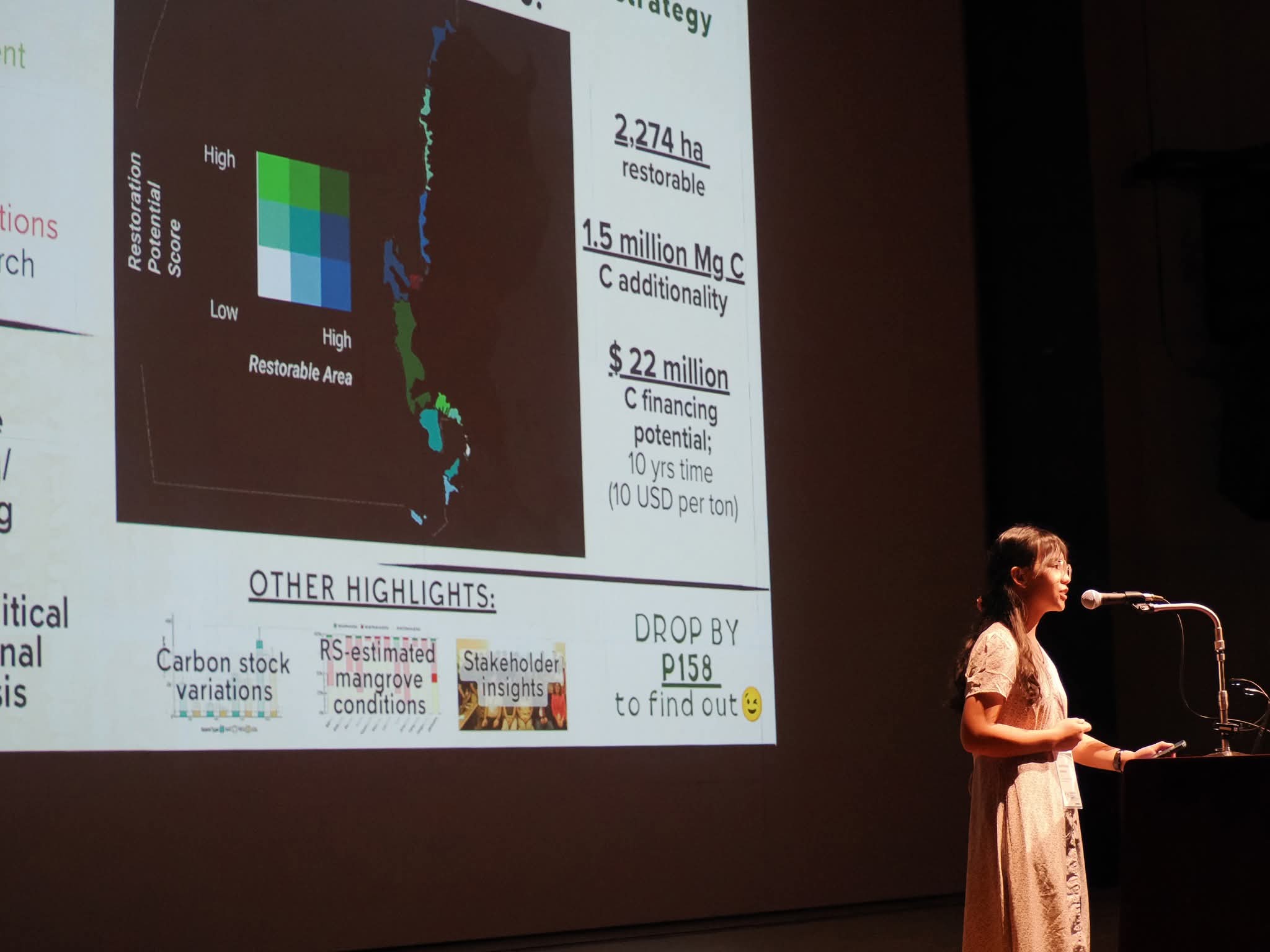
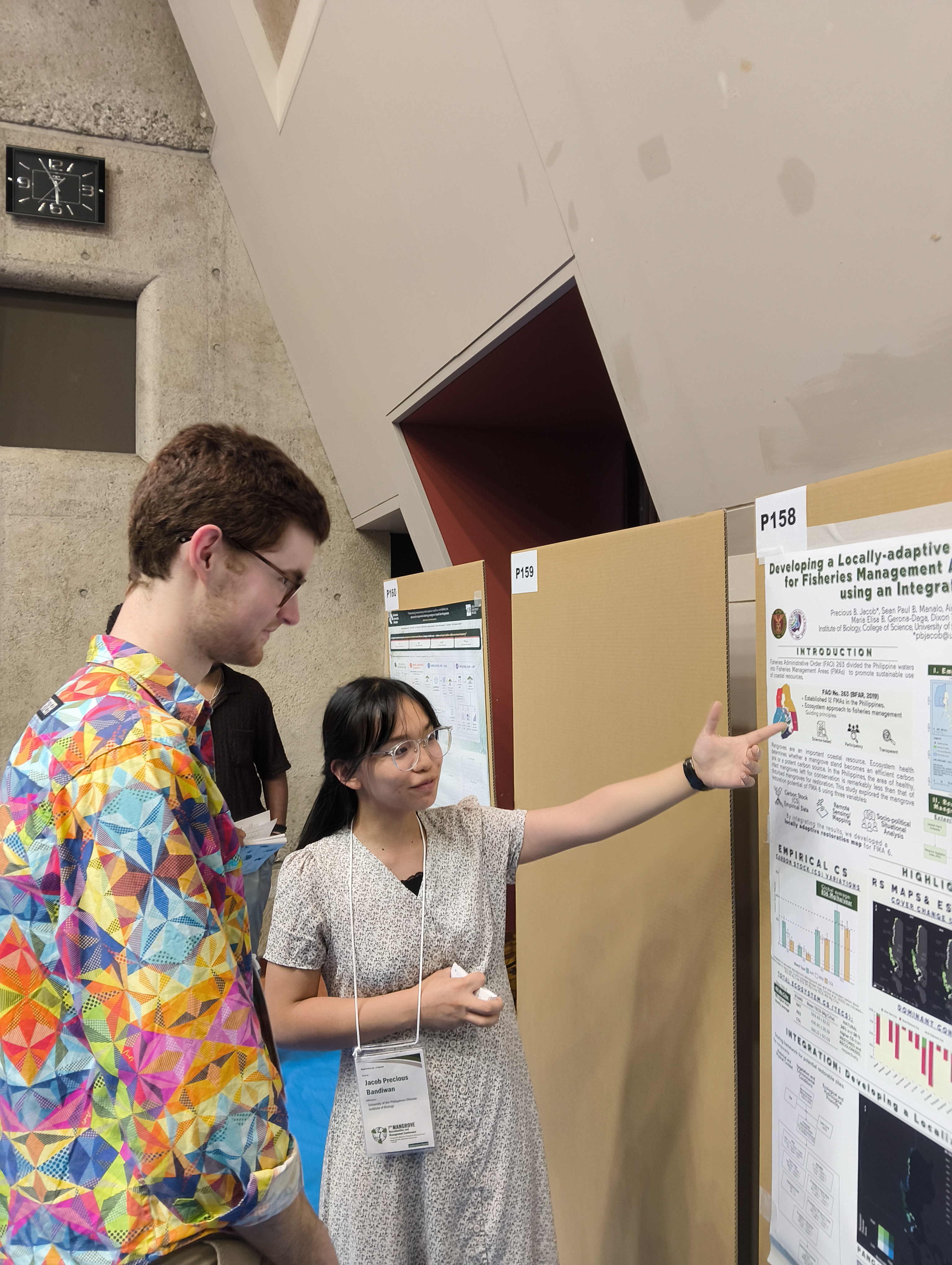
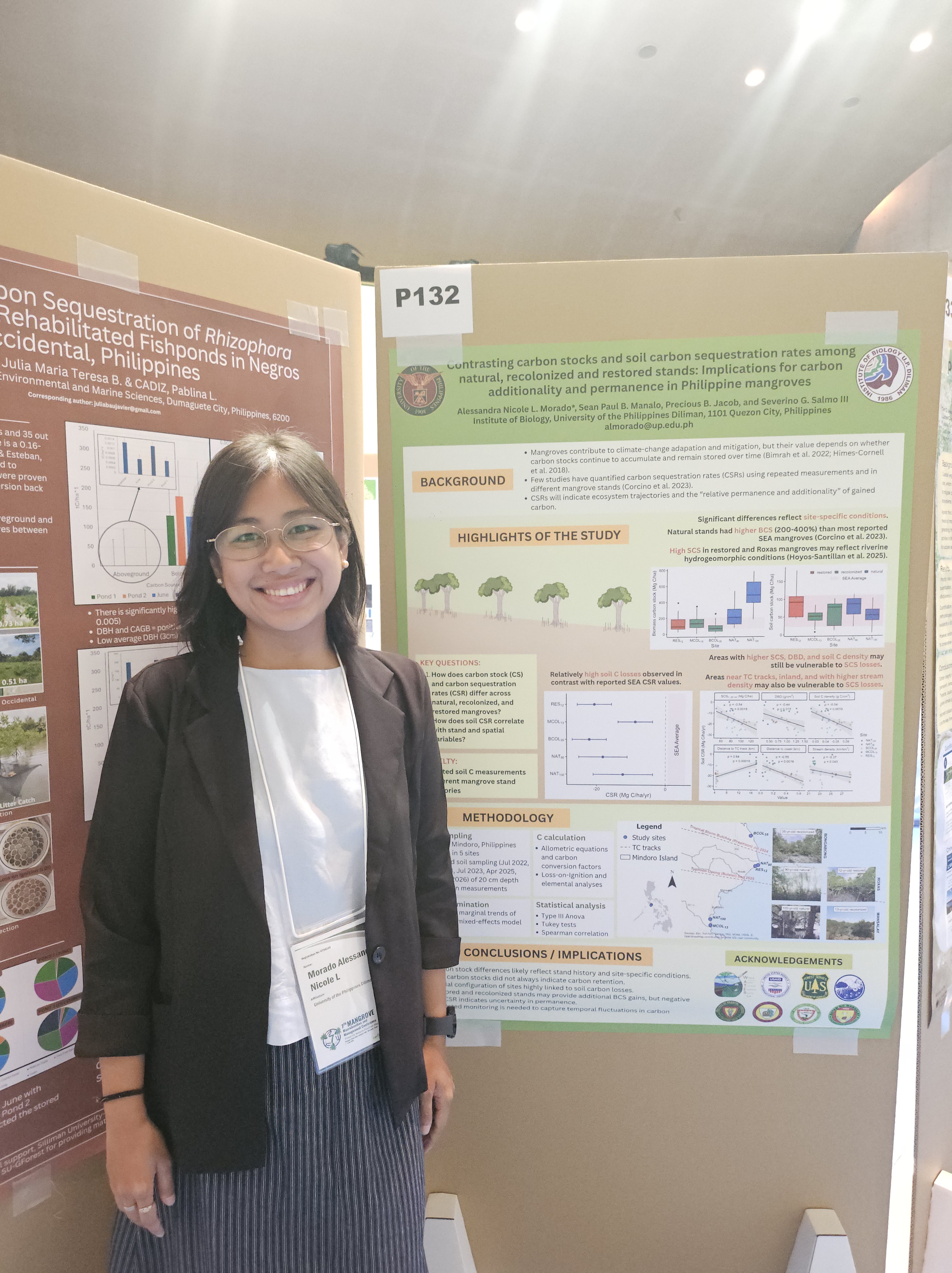
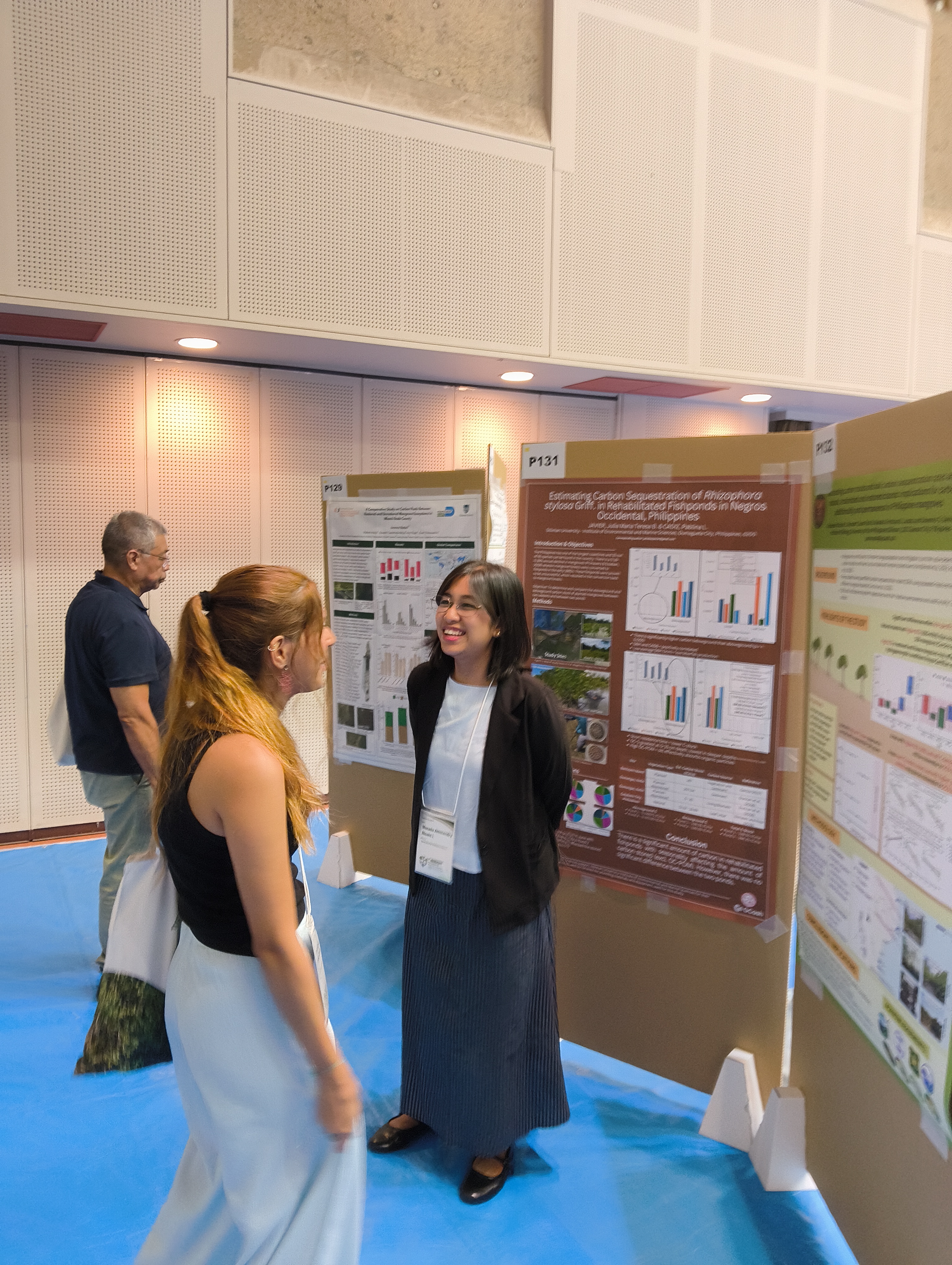
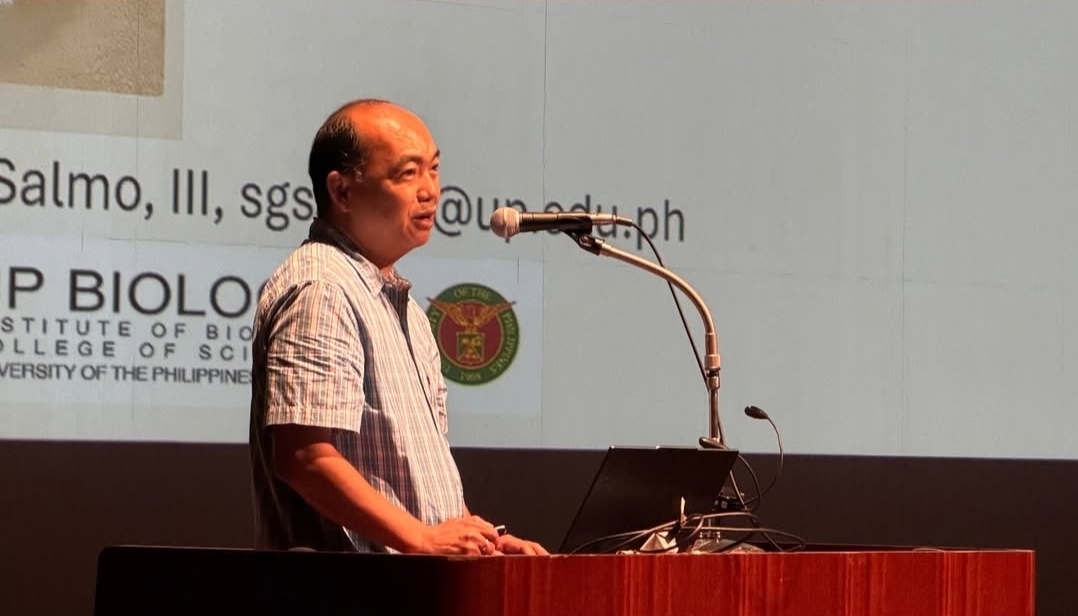
In Day 5, Dr. Salmo shared in his talk, he discussed how mangrove biodiversity and blue carbon initiatives can better align global priorities with local realities in the Philippines. It highlights the importance of integrating science, policy, and community action to strengthen sustainable mangrove management.
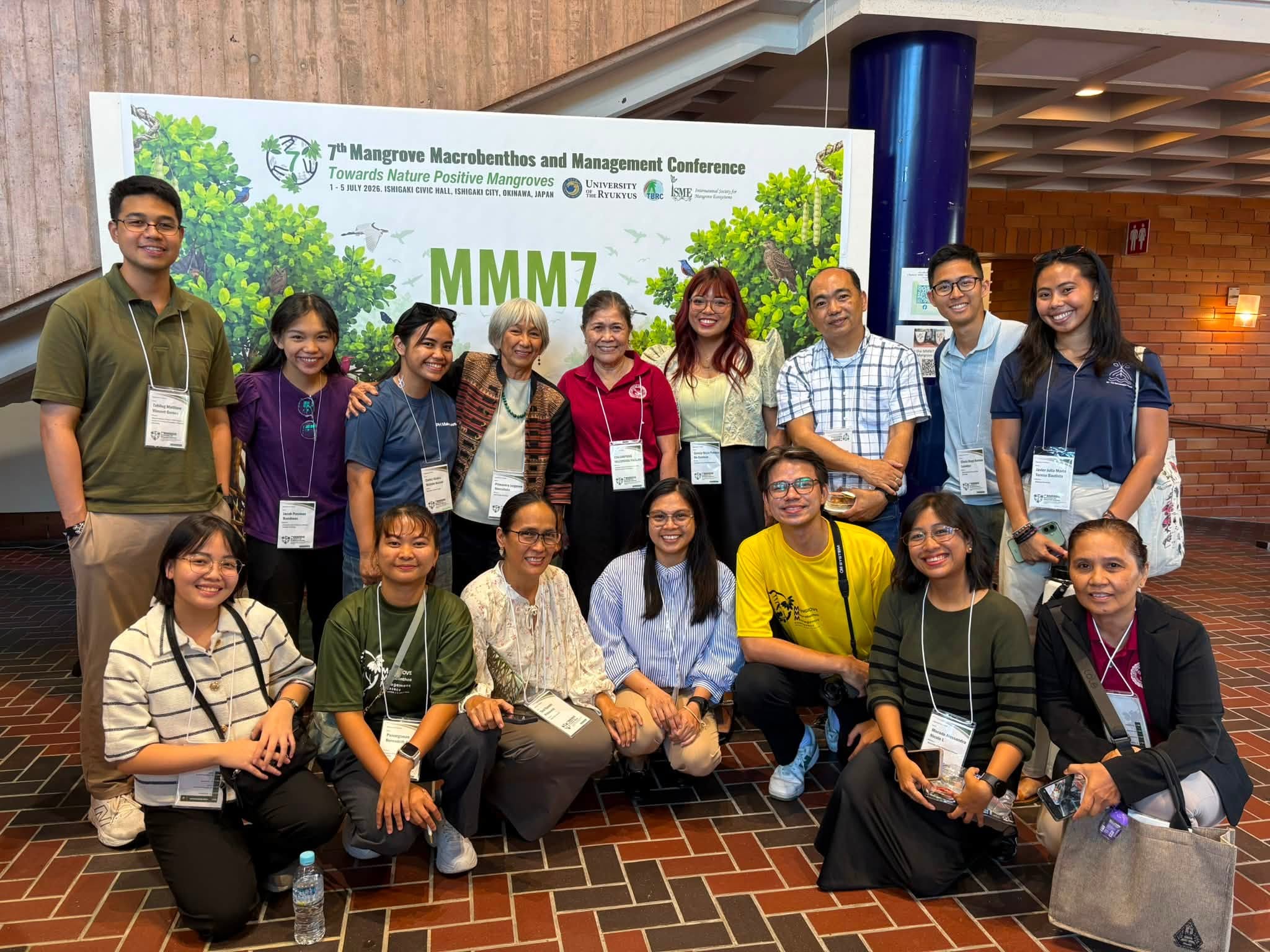
Mangrove scientists and researchers across the Philippines in MMM7
Mangrove scientists including Dr. Jurgenne Primavera (ZSL) and emerging researchers from the Philippines also participated in the event. The MMM7 Conference allowed Filipino scientists and researchers to showcase their own work on mangrove science and management in an international platform.
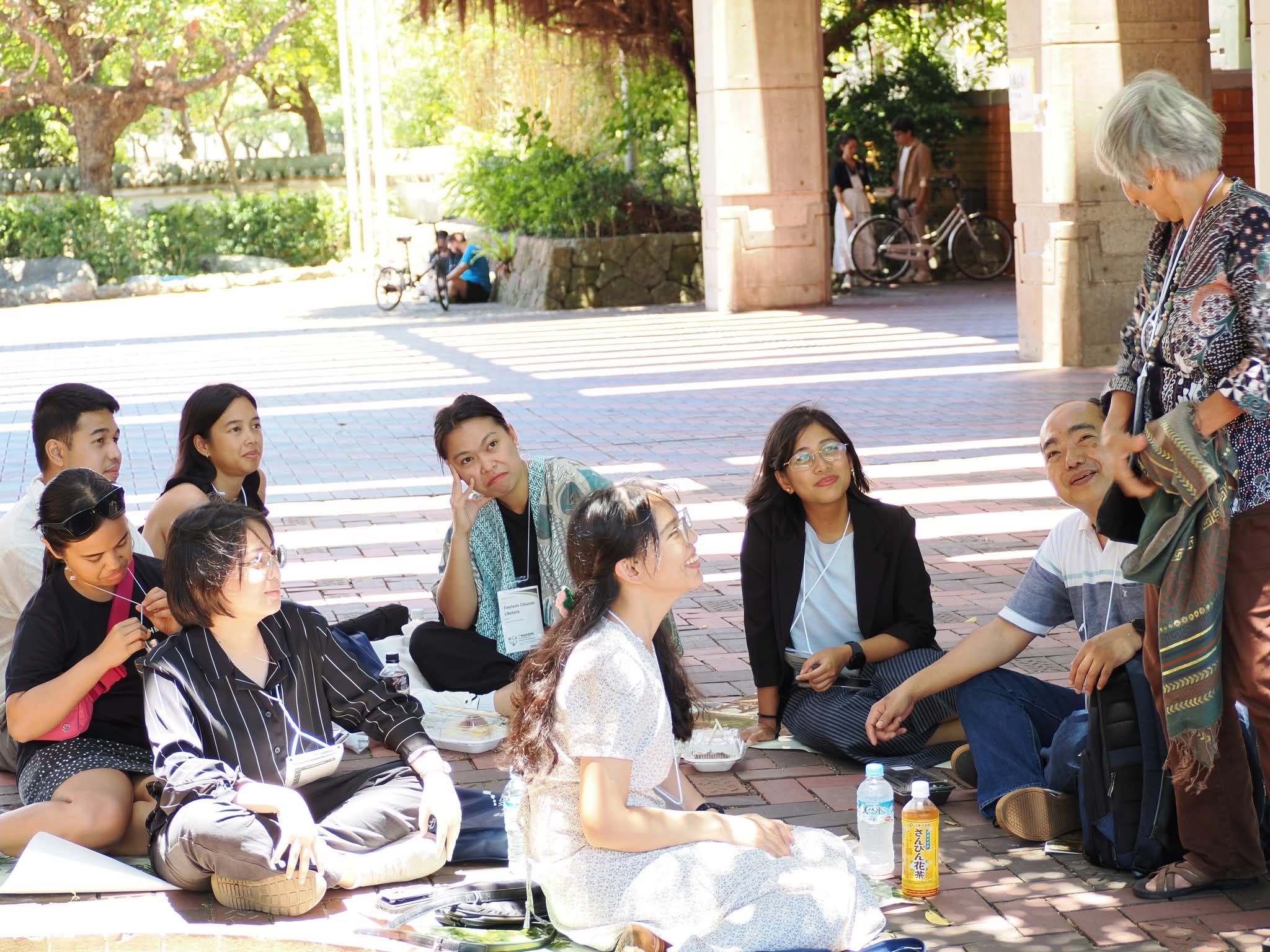
International mangrove experts
MMM7 also brought together internationally renowned mangrove scientists and experts, including Dr. Norm Duke (James Cook University) and Dr. Catherine Lovelock (University of Queensland), who shared their latest research, innovations, and experiences in mangrove science and management. Their participation encouraged meaningful discussions, strengthened global collaborations, and inspired the next generation of researchers committed to protecting and restoring mangrove ecosystems.
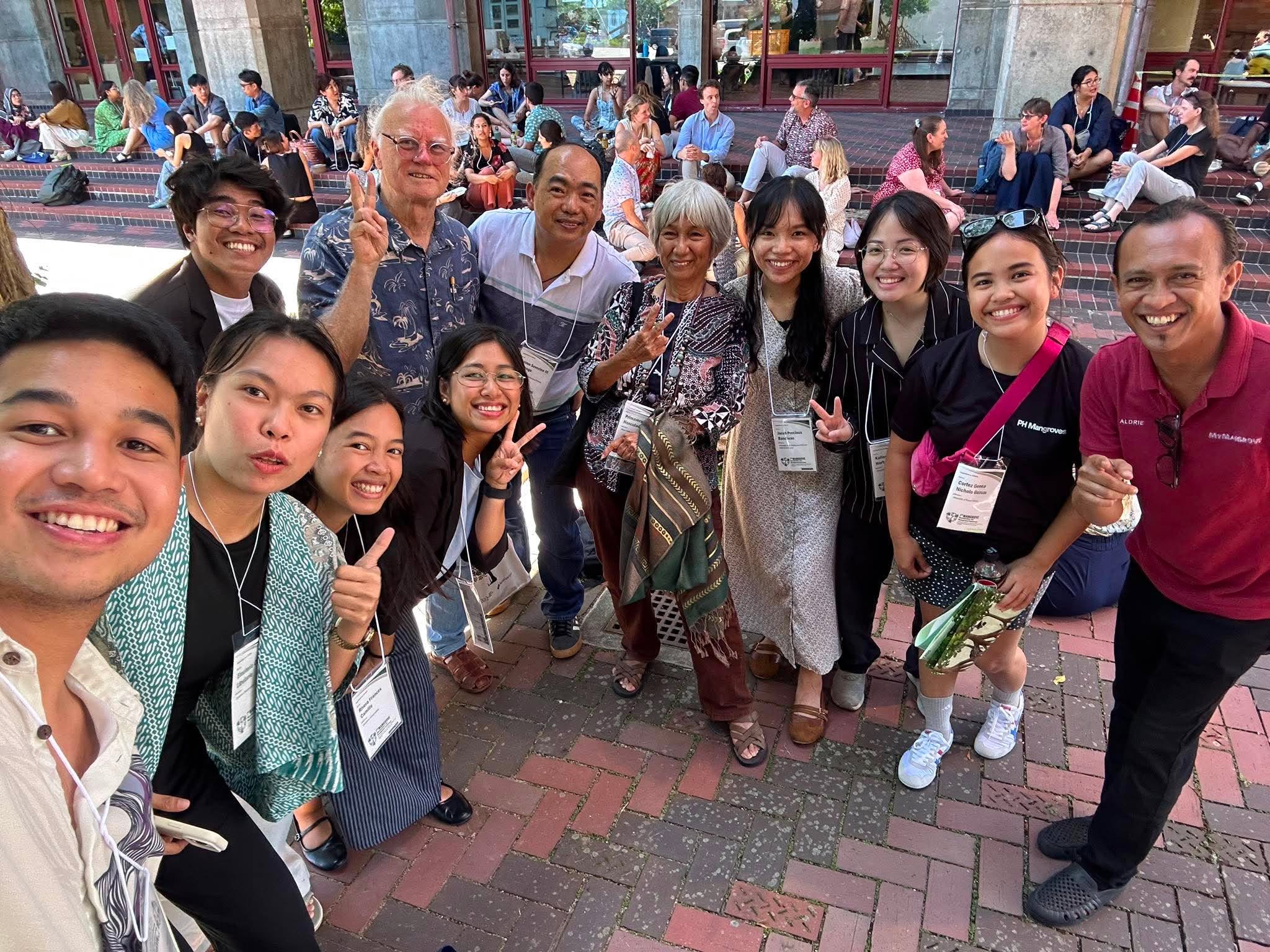
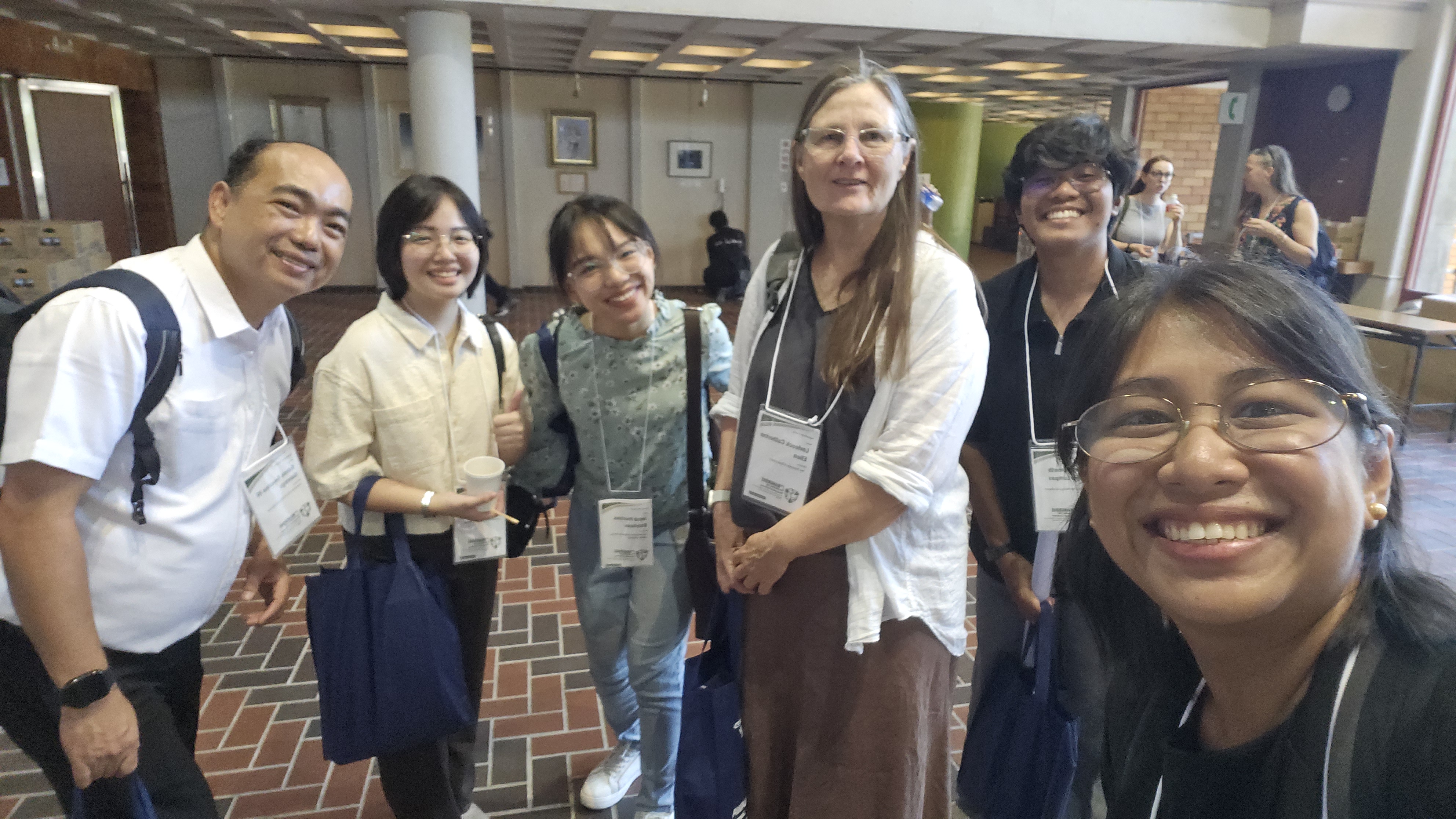
Through this global initiative, MMM continues to connect experts and passionate individuals across the world towards the conservation and restoration of mangrove ecosystems.
Some photos were taken from MMM7 Secretariat, Genea Nichole Cortez, and Mangrove Matters PH

