
EVENT SUMMARY
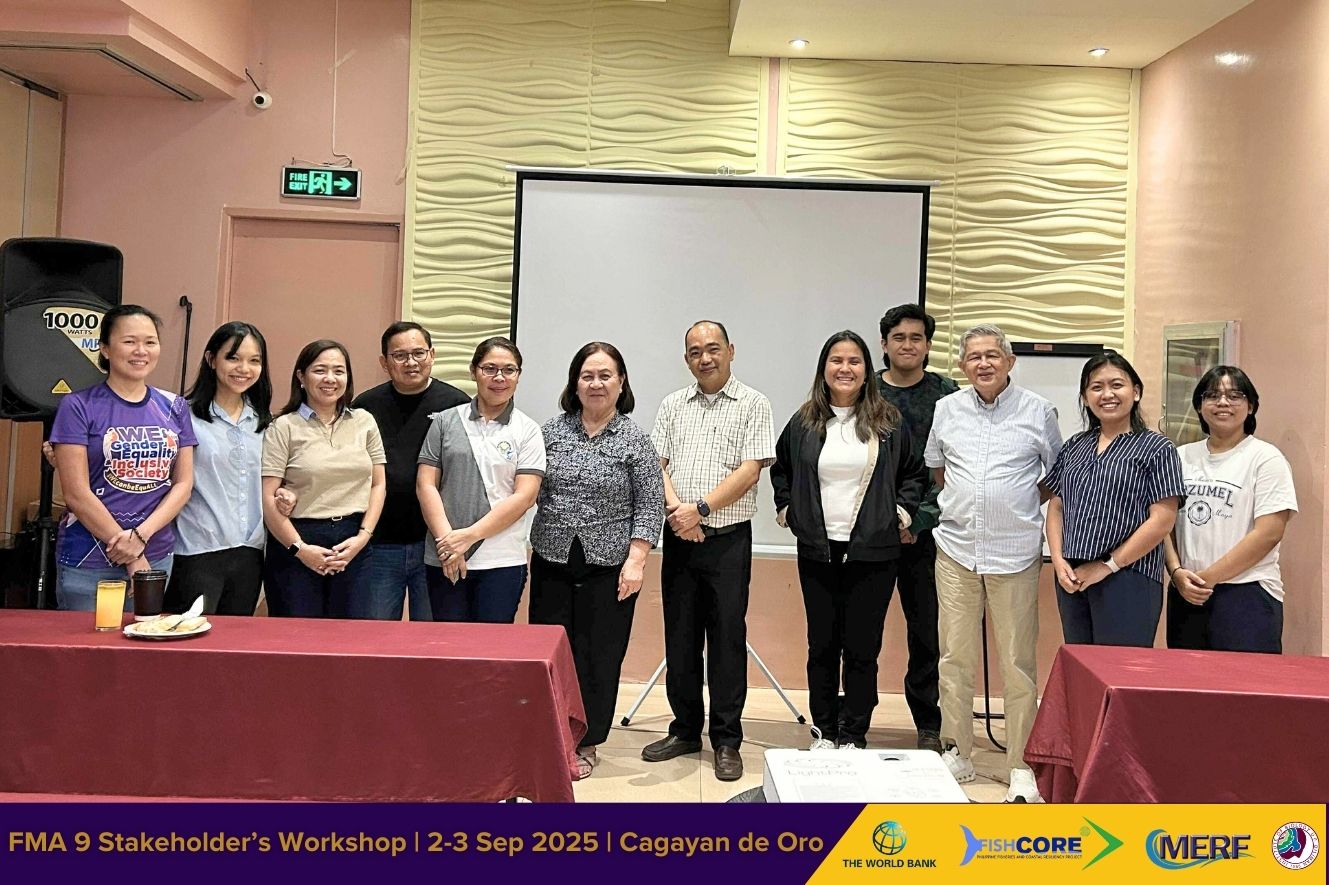
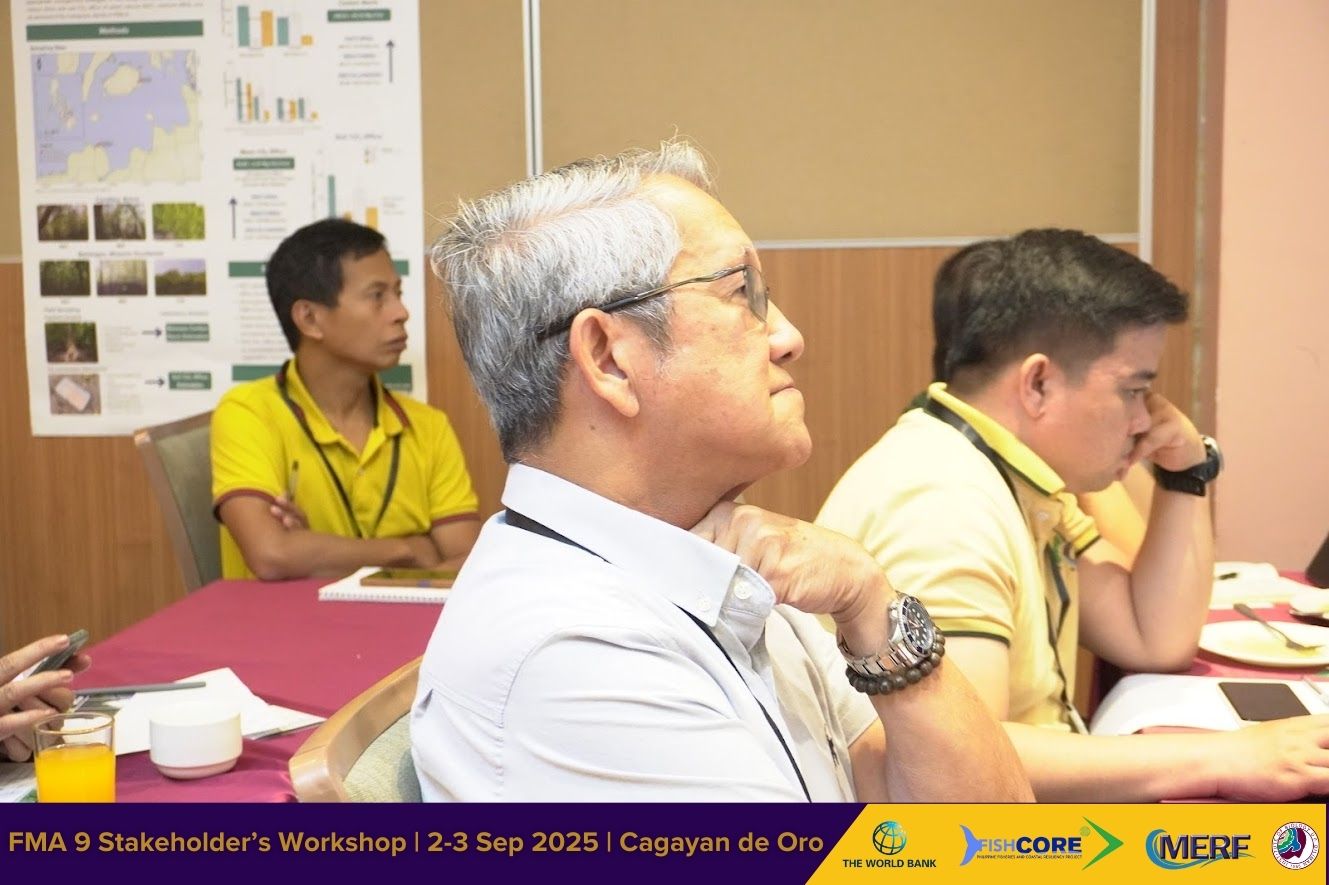
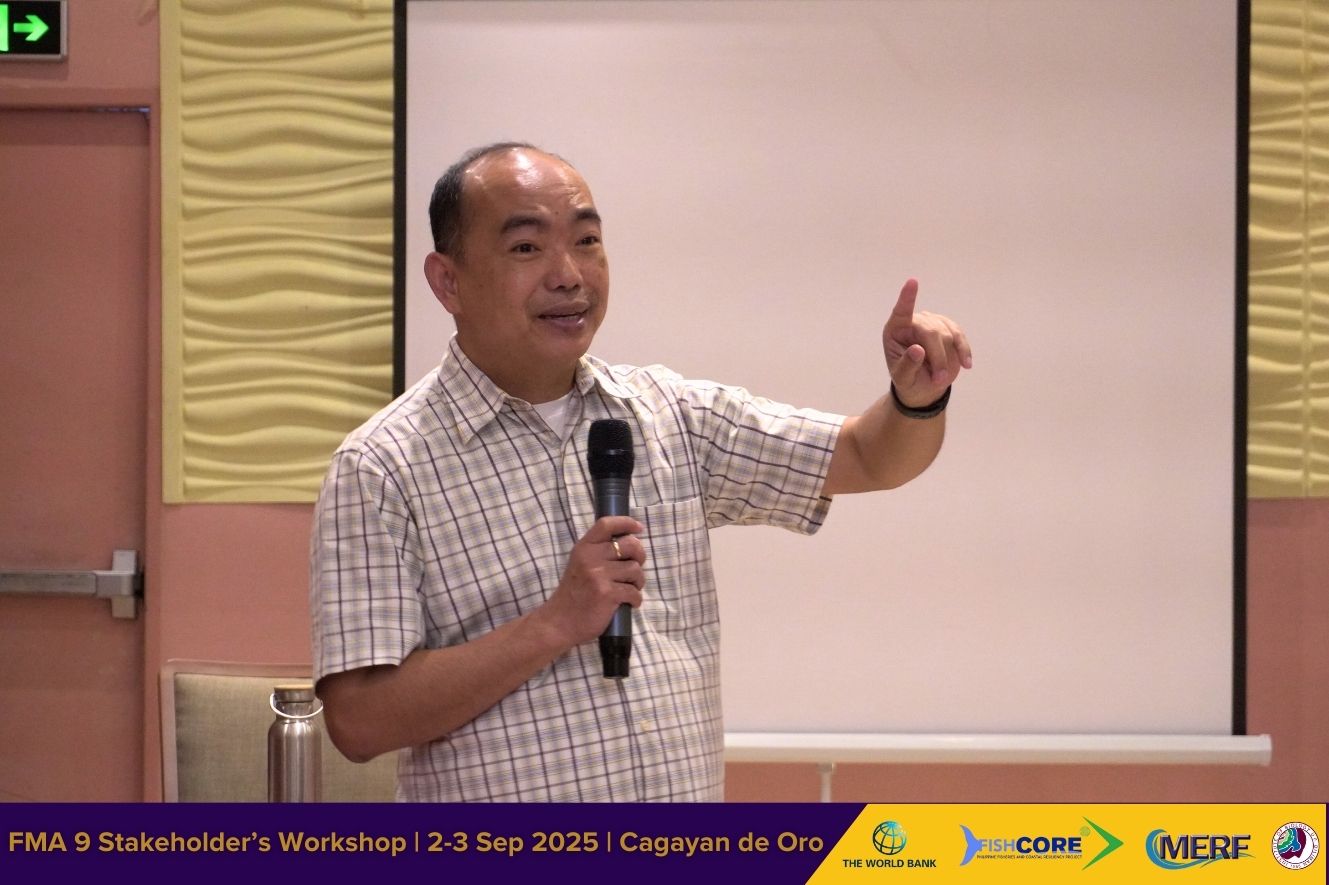
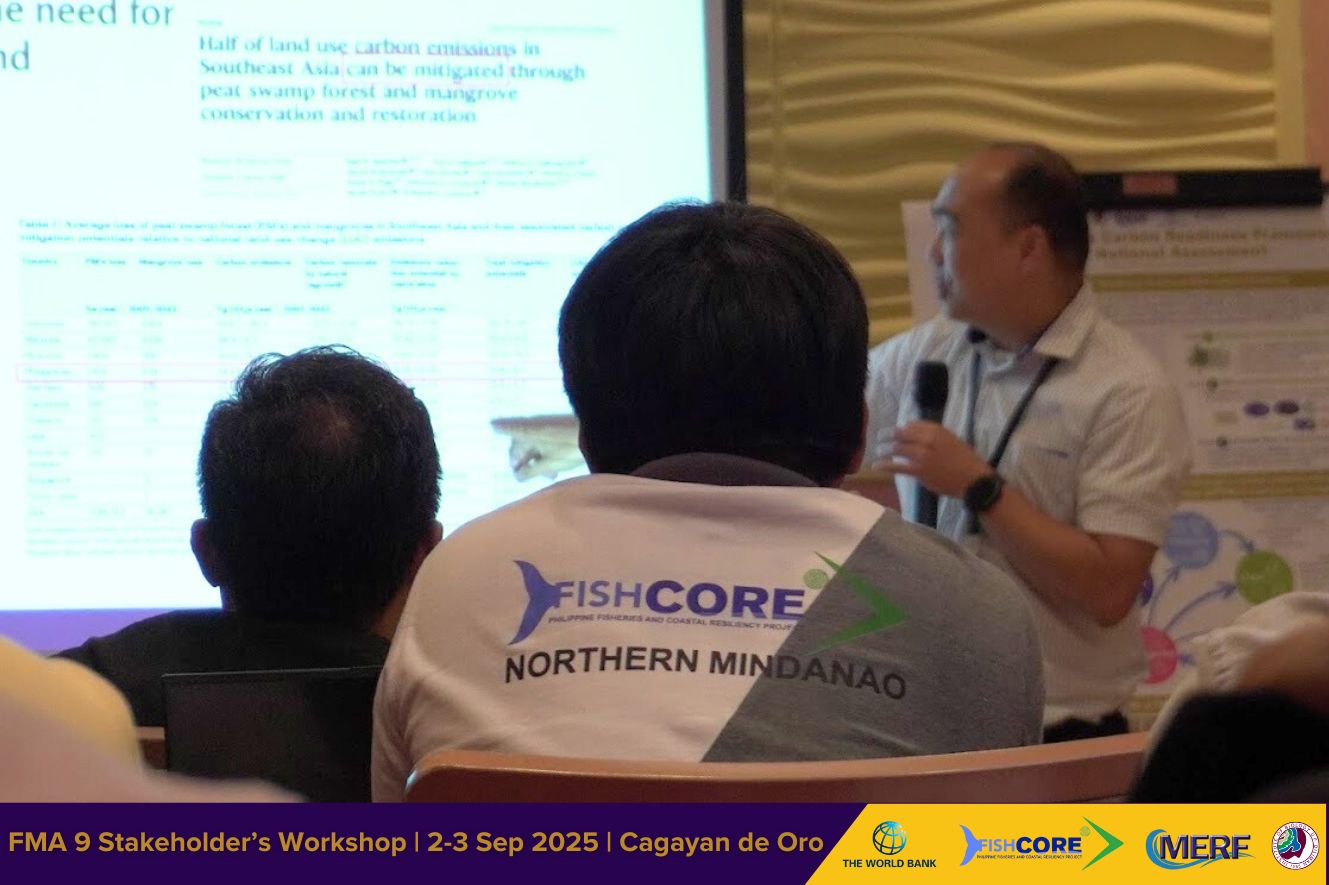
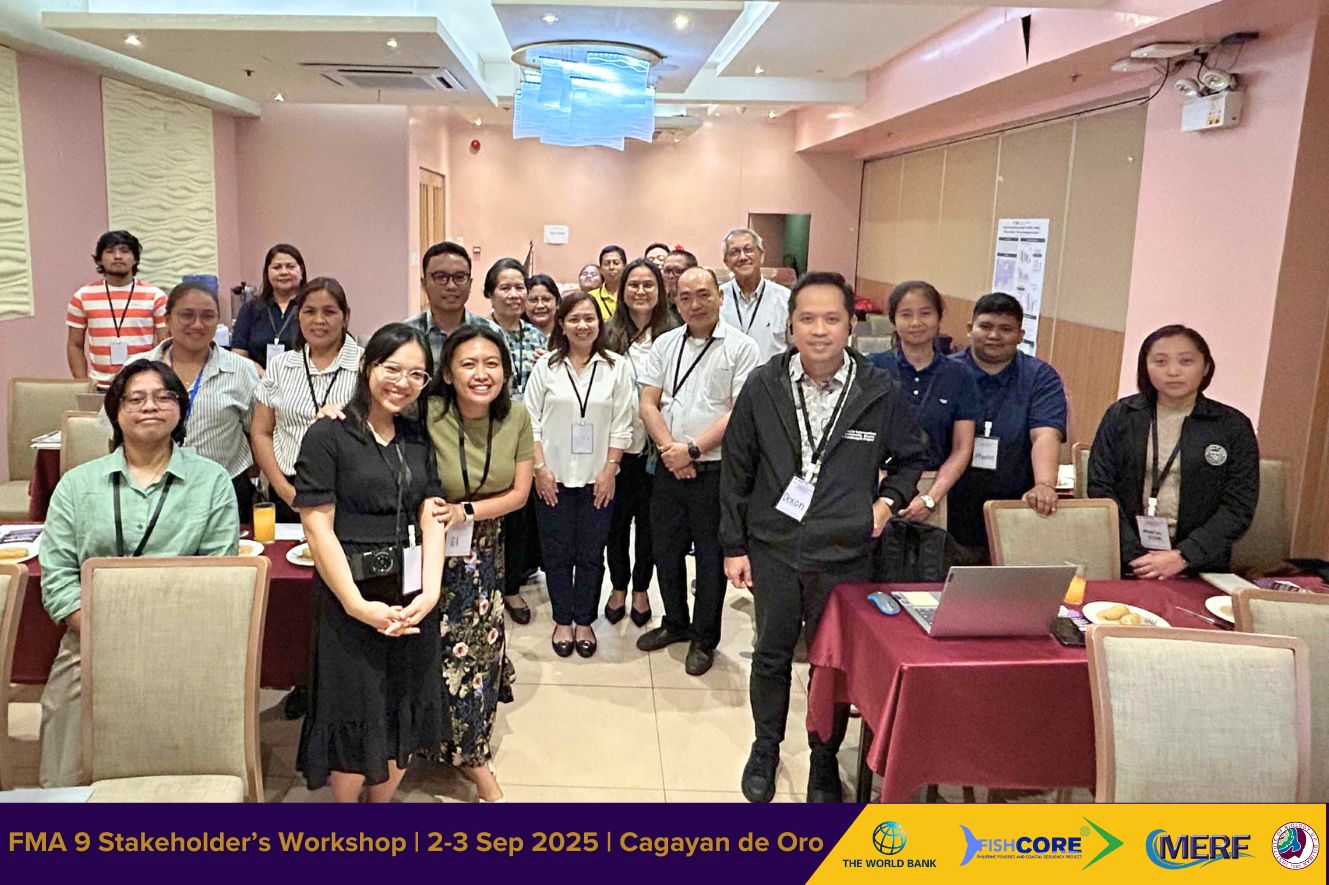
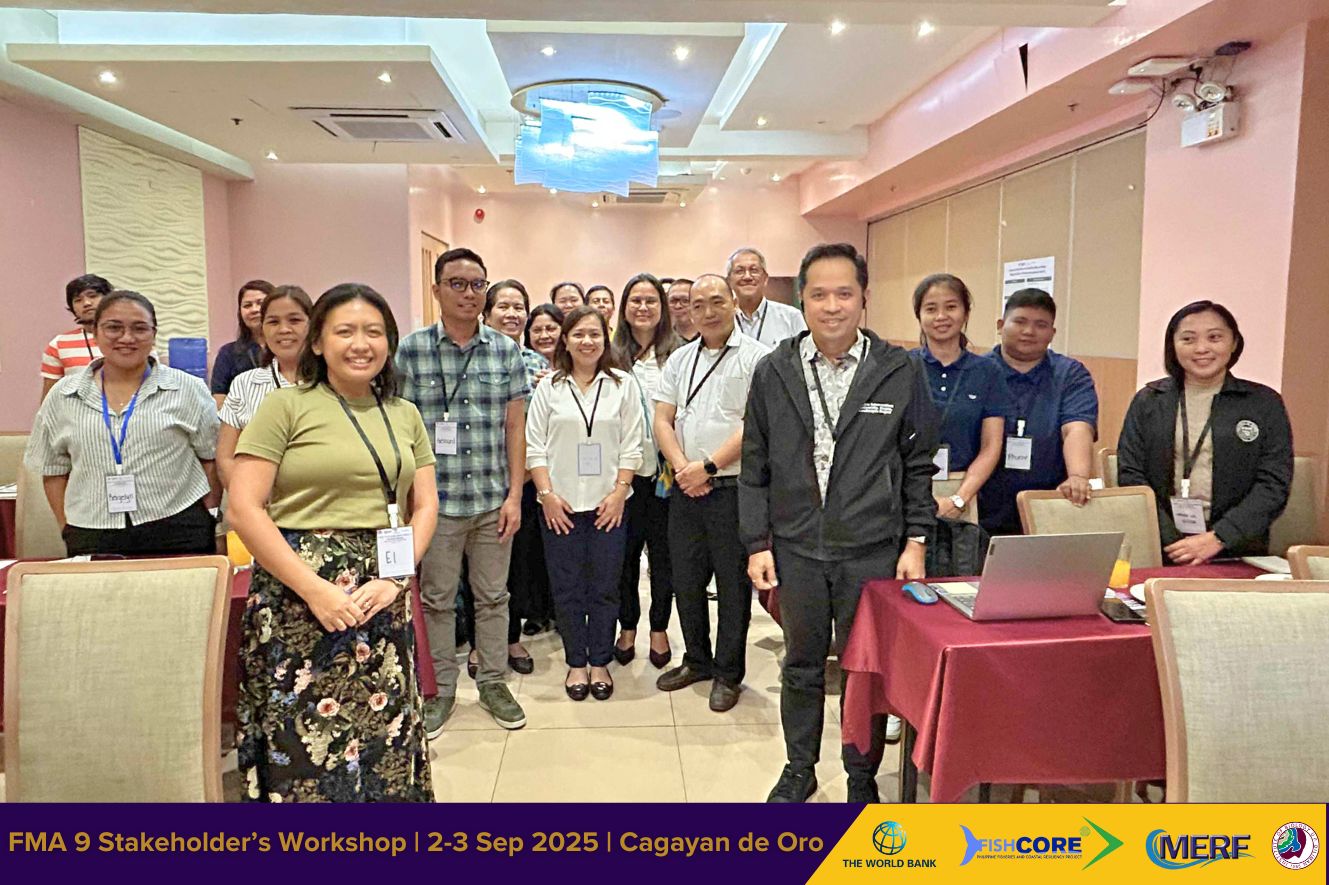
The Fisheries Management Area (FMA) 9 Stakeholder Conference was successfully held on September 2 to 3, 2025, at New Dawn Hotel Plus, Cagayan de Oro City, Misamis Oriental. The event convened representatives from government agencies, academic institutions, local government units (LGUs), and other key stakeholders in FMA 9. The conference served as a platform to present the results of the Mangroves BlueCAP study under the FishCoRe Project and to exchange knowledge and identify strategies for sustainable mangrove management and blue carbon readiness in FMA 9 through a stakeholder workshop.
Opening Session

Ms. Agnes Chung Balota, Senior Environmental Specialist at the World Bank Office Manila, opened the workshop by an engaging discussion on the links between climate change and blue carbon in the Philippines.
Ms. Mariane Abiog from BFAR Region 10 then provided an overview of the FISHCORE project, highlighting their goals and contributions to coastal resource management in FMA 9.
Technical Presentations
Following the opening session, the research team delivered their scientific findings through a series of technical presentations.
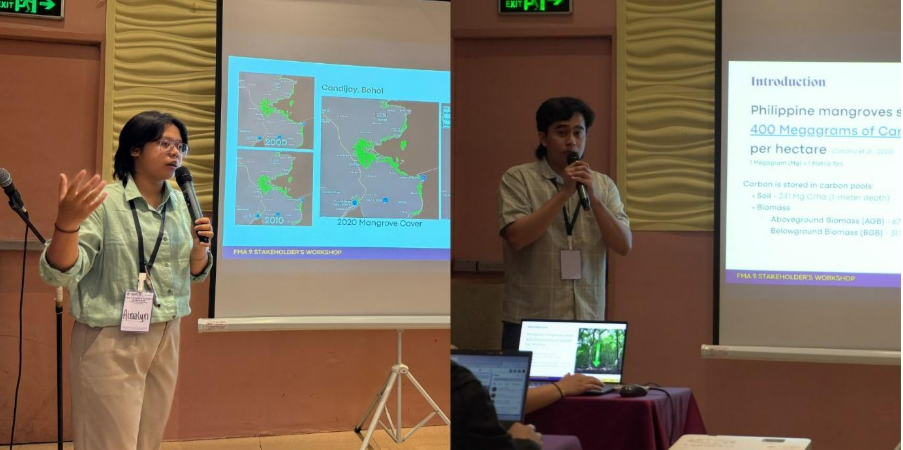
- Mangrove Extent, Temporal Changes, and Carbon Sequestration Potential – Engr. Ainalyn Nerves, GIS Research Assistant, presented a spatial analysis of temporal changes in mangrove extent per province in FMA 9 from 2000 to 2020 through remote sensing. She reported that more than half of mangroves in FMA 9 have remained “intact” over the 20-year period and underscored the importance of capacity building to train LGUs in mapping and documenting mangrove changes.
- Carbon Stock and Soil CO₂ Efflux of Select Mangrove Sites in Fisheries Management Area 9 – For. Sean Paul Manalo, Research Associate, reported the results of their field-based measurements of carbon stock and soil CO2 efflux rates across varying stand types in FMA 9. He highlighted that FMA 9 mangroves exhibited higher biomass carbon stock and soil CO2 efflux compared to FMA 6. He also emphasized the need to standardize blue carbon quantification protocols in the country and to establish permanent monitoring plots for regular carbon stock assessments.
- Mangrove Carbon Restoration Potential of Fisheries Management Area 6 – Engr. Ainalyn returned to discuss the estimated mangrove carbon stock per province in FMA 9 and identified potential restoration sites through remote sensing. She noted the high restoration potential of Zamboanga del Sur, both in terms of suitable areas and potential score, and emphasized the need for more available geospatial data, particularly on the extent of AUU ponds, to improve model accuracy.
- Synthesis of Research Results – Dr. Severino G. Salmo III, Project Leader, synthesized the presented studies and highlighted the findings’ relevance to the advancement of Blue Carbon Financing in the Philippines. He stressed the importance for LGUs to set clear targets for blue carbon permanence and additionality by 2030 and to establish mechanisms for tracking and reporting progress through an open-access platform.

Stakeholder Workshop
A Stakeholder Workshop designed to capture insights on mangrove management and blue carbon readiness within their respective local contexts. The workshop followed the World Café approach, where participants were divided into three groups from different geographic areas and sectors. Each group rotated across four discussion tables focusing on the following topics:
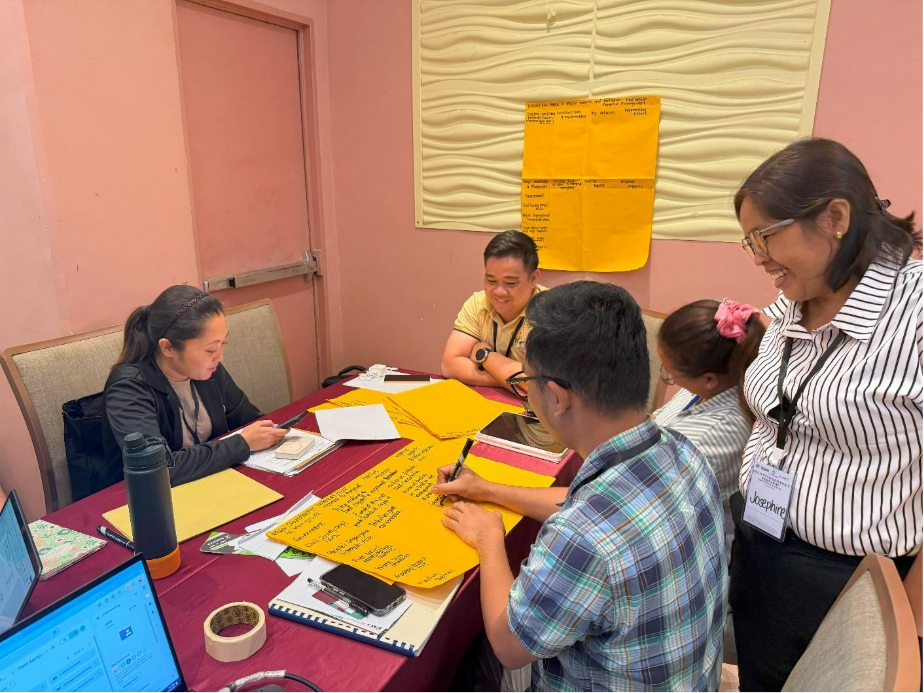
- Main drivers for mangrove cover changes
- Major policies and institutions affecting mangrove management
- Good local practices in mangrove restoration and protection
- Blue carbon readiness
The groups then presented their ideas to the whole group. Workshop results can be requested from the project members.
Workshop Outputs and Open Forum
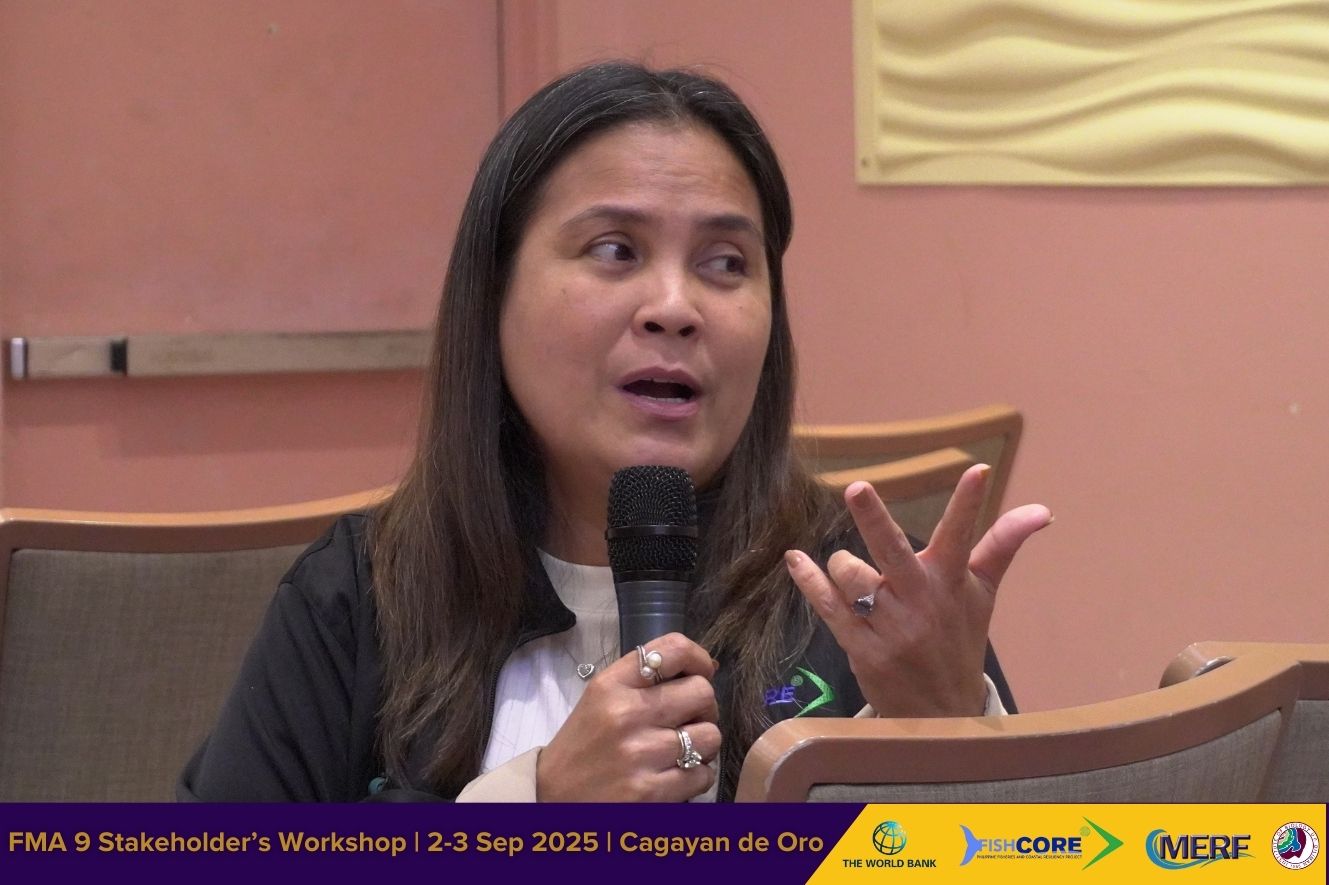
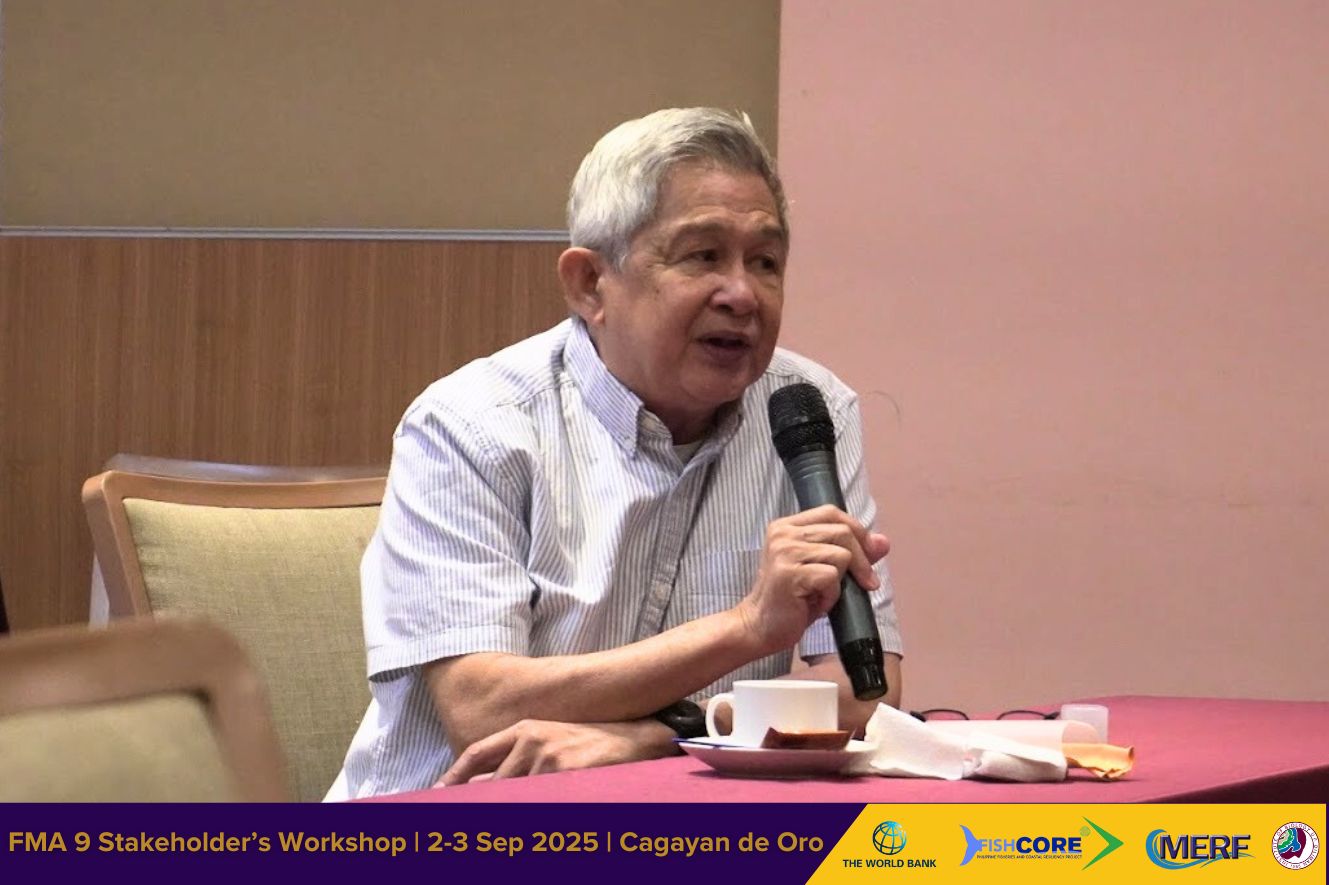
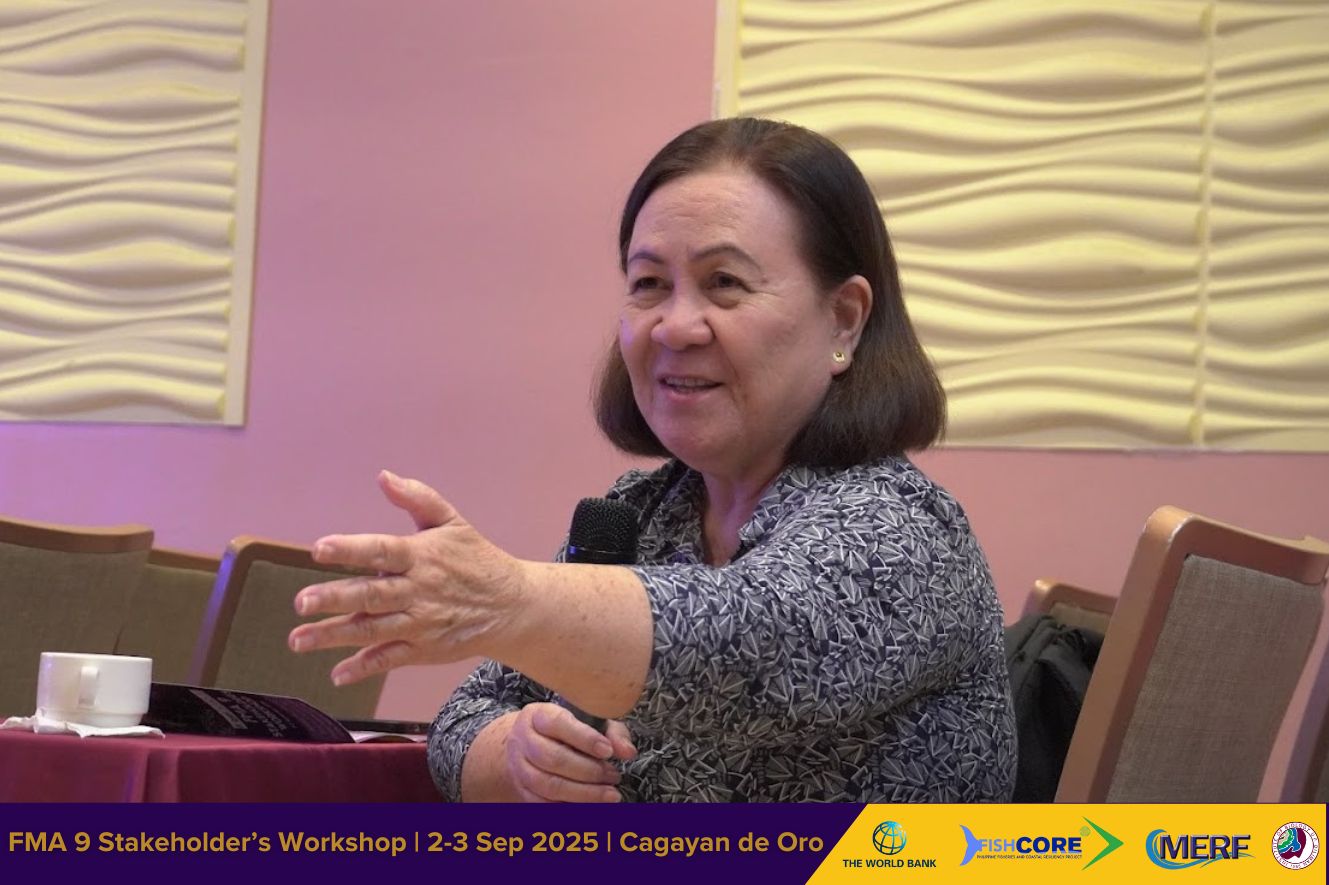
The Scientific Advisory Group (SAG) Meeting on September 3 was attended by SAG members: Dr. Asuncion de Guzman (SAG Chair), Dr. Arnil Emata (SAG Vice Chair), Dr. Rommel Seronay, Ms. Mariane Joy Abiog, and Ms. Kristine Gallarita. Key highlights from the SAG meeting include:

- focus on improving the quality of existing mangroves since the restorable area is small. There is also a need to minimize pollution and improve productivity of mangroves to alleviate communities.
- Lack of awareness of science-based approach on rehabilitation as the main reason to why mangrove rehabilitation efforts are still using Rhizophora. Although LGUs are now becoming more aware of science-based mangrove rehabilitation through DENR memoranda, no action is being taken. Building awareness is still important through organized public education.
The SAG meeting was concluded by Ms. Balota by discussing the next steps of the study. She also mentioned the upcoming technical assistance that the World Bank will be providing to the FISHCORE project which includes environmental and socio-economic assessment of AUU fishponds and tourism development for fisherfolk.
Event Gallery





 Mangrove Ecology