

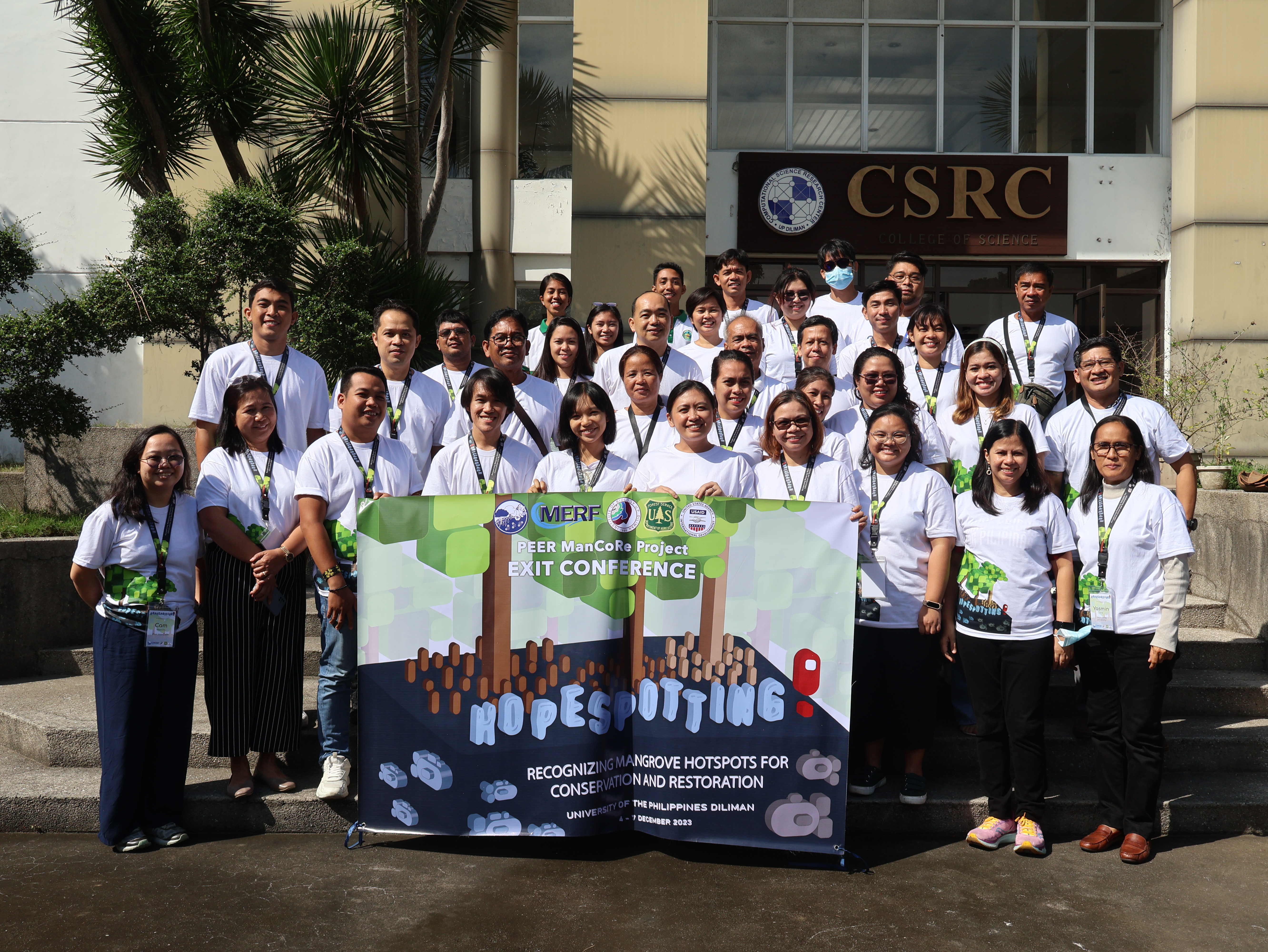
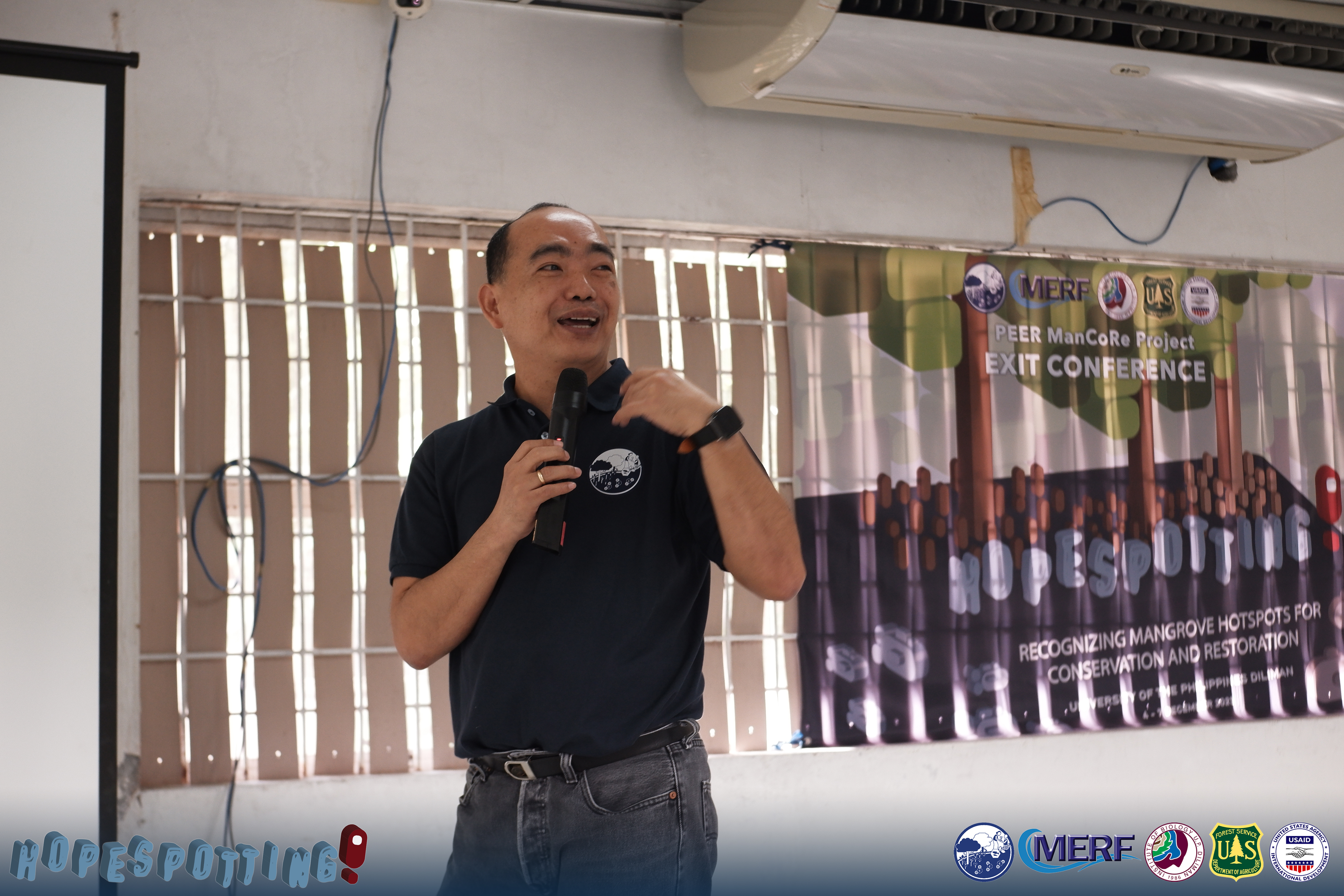
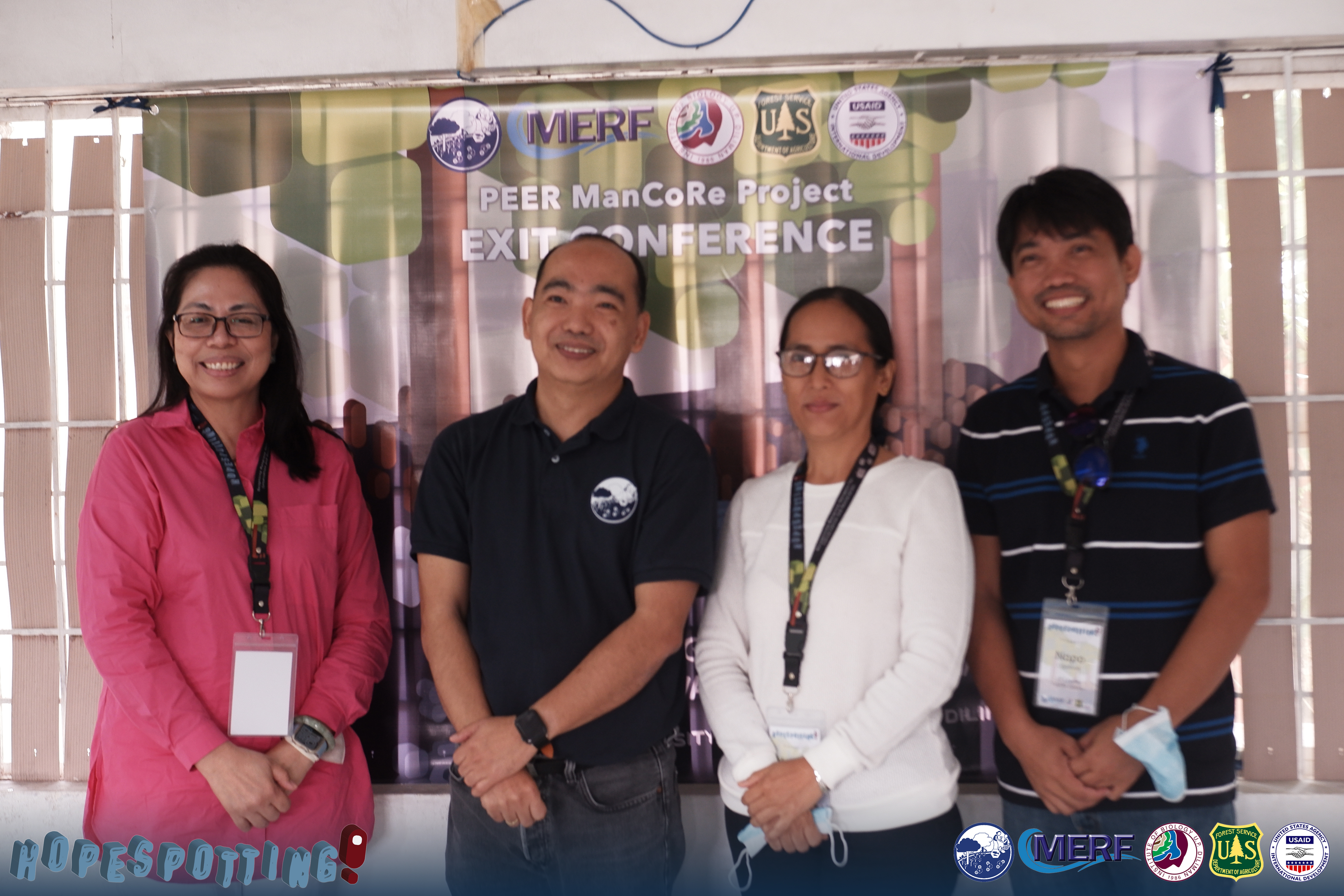
PEER ManCoRe’s two-year project finally comes to a close. To celebrate and reflect on the accomplishments of the project, we invited our partners from different institutions across the Philippines. Members of the local government units (LGUs), non-governmental organizations (NGOs), national government agencies (NGAs), people’s organization (POs), and the academe gathered for an in-person exit conference with the theme: “Hopespotting: Recognizing Mangrove Hotspots for Conservation and Restoration”. The event was held at the University of the Philippines Diliman (UPD) on 5-6 December 2023. The conference activities gave stakeholders vital insights on identifying optimal mangrove conservation and restoration sites.
“Hopespotting” recognizes that no matter how undervalued our mangrove forests are, there are bright spots. Hope exists!
DAY 1 Highlights
Dr. Giovanni Tapang, UPD College of Science Dean, kickstarted the event with a warm welcome. He invigorated the project members and its partners with the words: “Marami na ang nagawa ng project, pero marami pa ang kailangang gawin.”
Ms. Kelly Robbins of the US’ National Academy of Science (NAS) echoed this call in her short video message: much has been done but much more needs to be done for Philippine mangrove conservation and restoration.
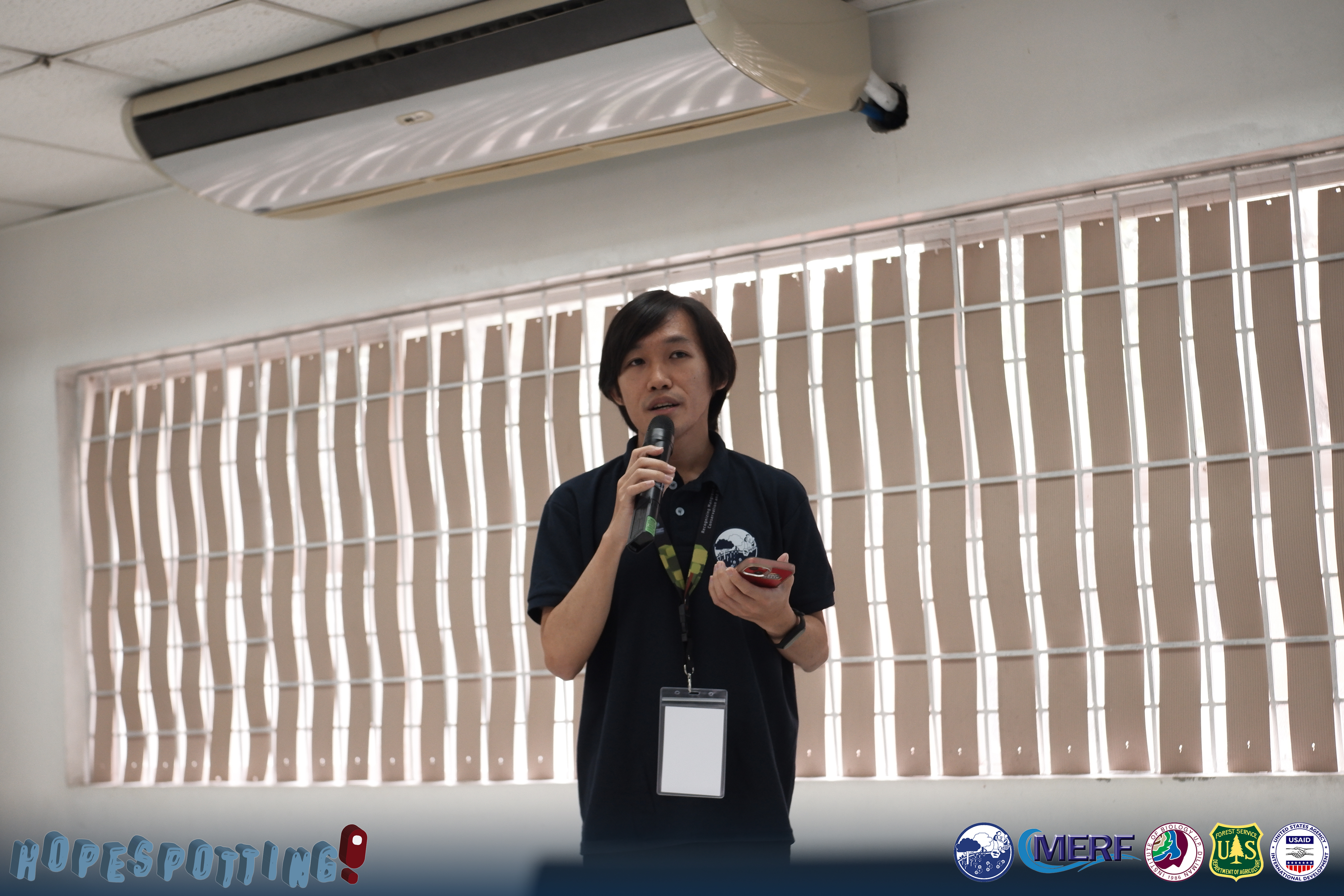
Dr. Severino G. Salmo III (Institute of Biology, UPD), the project head, then presented the rationale and background of the project. He highlighted how the first PEER project changed from being disaster-focused to the current project which is conservation and restoration-focused. The recently concluded second PEER project determined ways to conserve and restore our mangroves using biodiversity and carbon stock studies. The project also created a mangrove status reporting form that standardizes data collection and systematically presents the data in an easy-access dashboard across the country. This status reporting form was presented by one of the research assistants (RA), Mr. Lex Limjuco.
Mr. Limjuco’s presentation recalled the conceptualization of the dashboard to its initial testing, adjustments, and final working version. The working platform uses biophysical, social, and governance data to present a snapshot of the overall health and management status of the mangroves. The interconnectedness of these three components ought to strengthen regular communication among experts, empower the local community, and encourage continuous consultation among stakeholders. Achieving a “high” mangrove score should sustain or improve conservation efforts instead of causing complacency. There were questions on data access, privacy, and platform sustenance and suggestions on improving the dashboard by learning from other countries and collecting nationwide data.
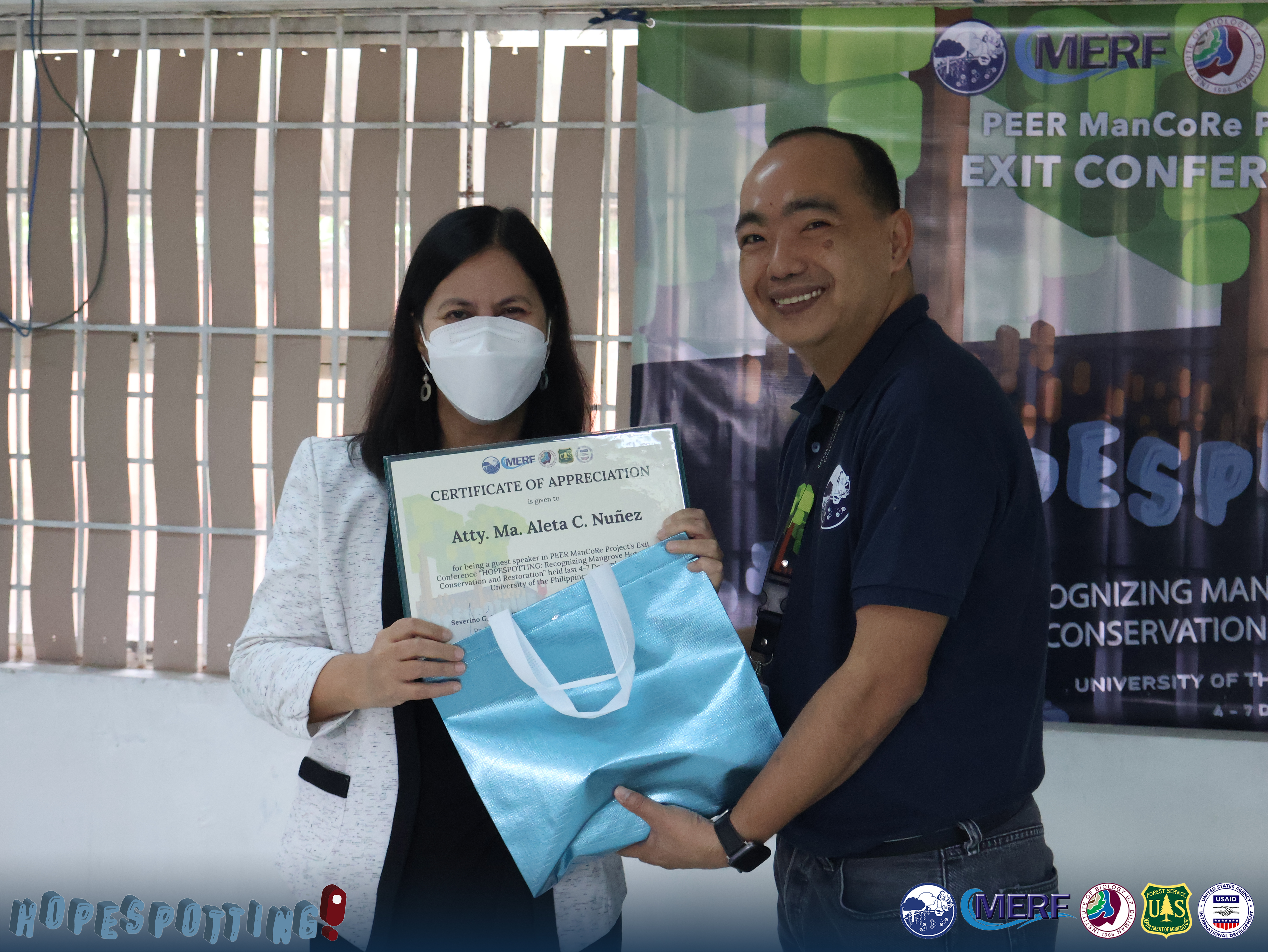
Atty. Ma. Aleta C. Nuñez, USAID-US NOAA Mission Support Partnership (Manila), presented “Prospects for a Holistic and Integrated National Blue Carbon Policy”. She highlighted the lack of institutional programs for mangrove protection in the Philippines, the lessons from the comprehensive blue carbon framework of Indonesia, and the current efforts of the government to create our national blue carbon roadmap. Atty. Nuñez called for building on the work that has been done and integrating the work for future plans.
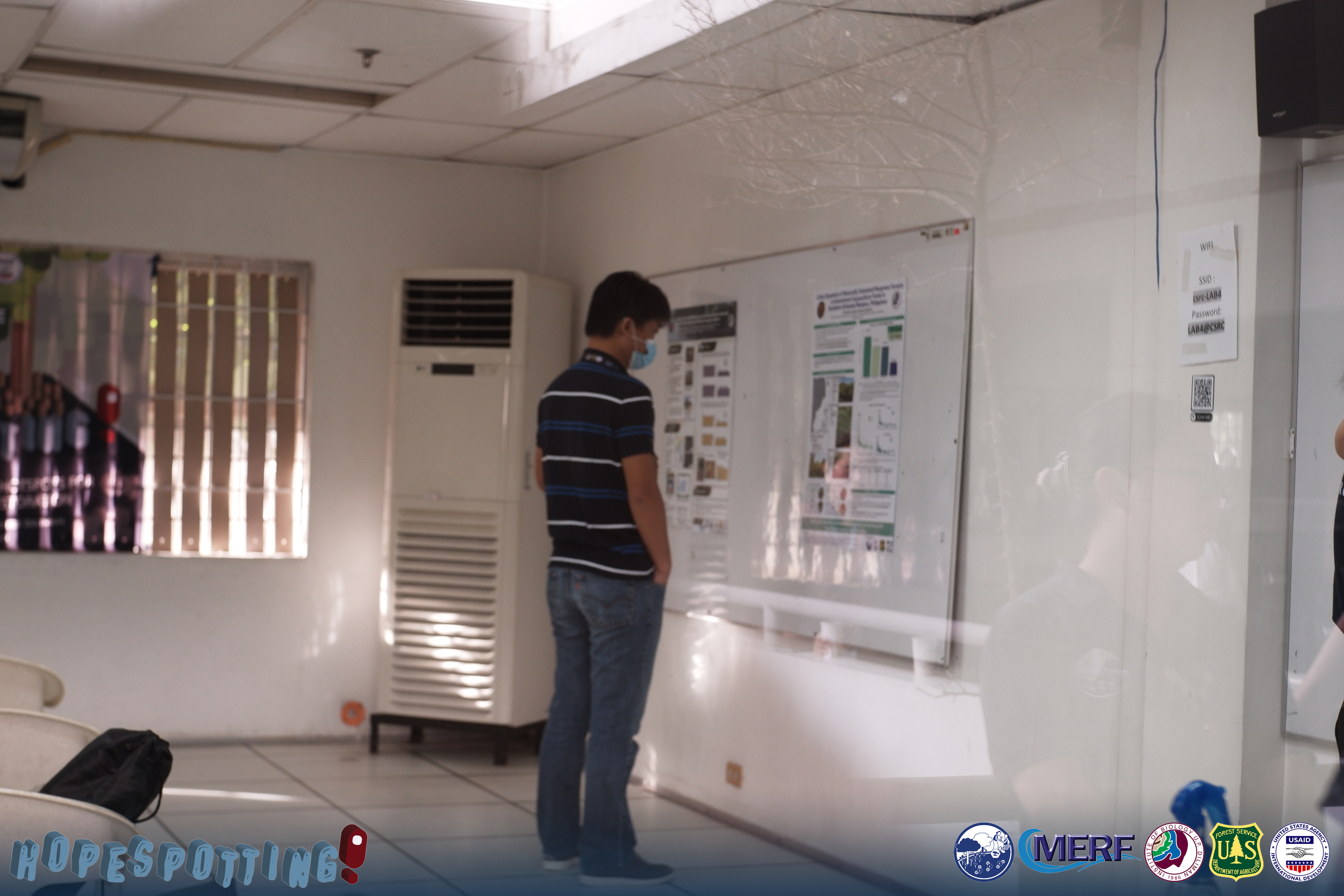
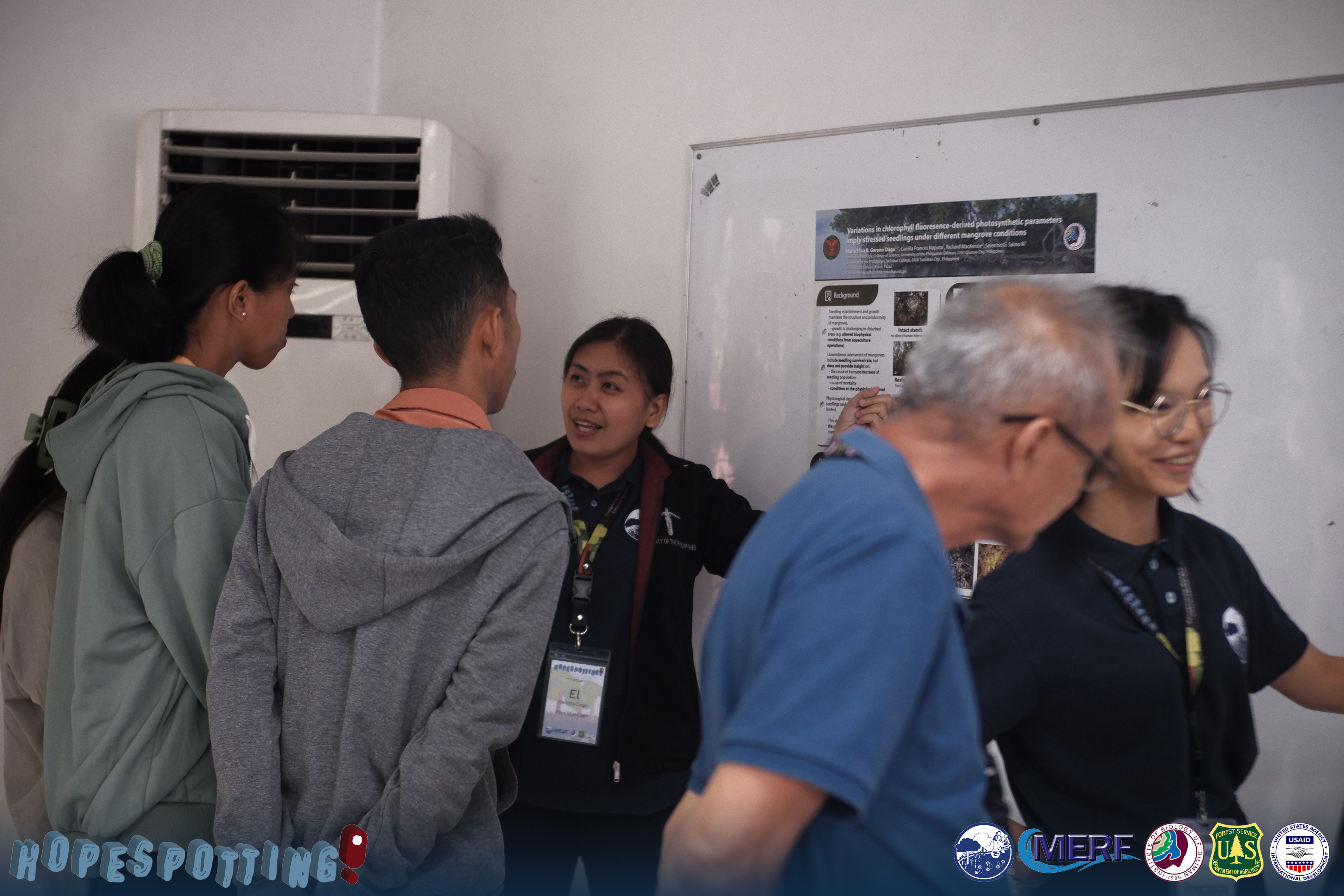
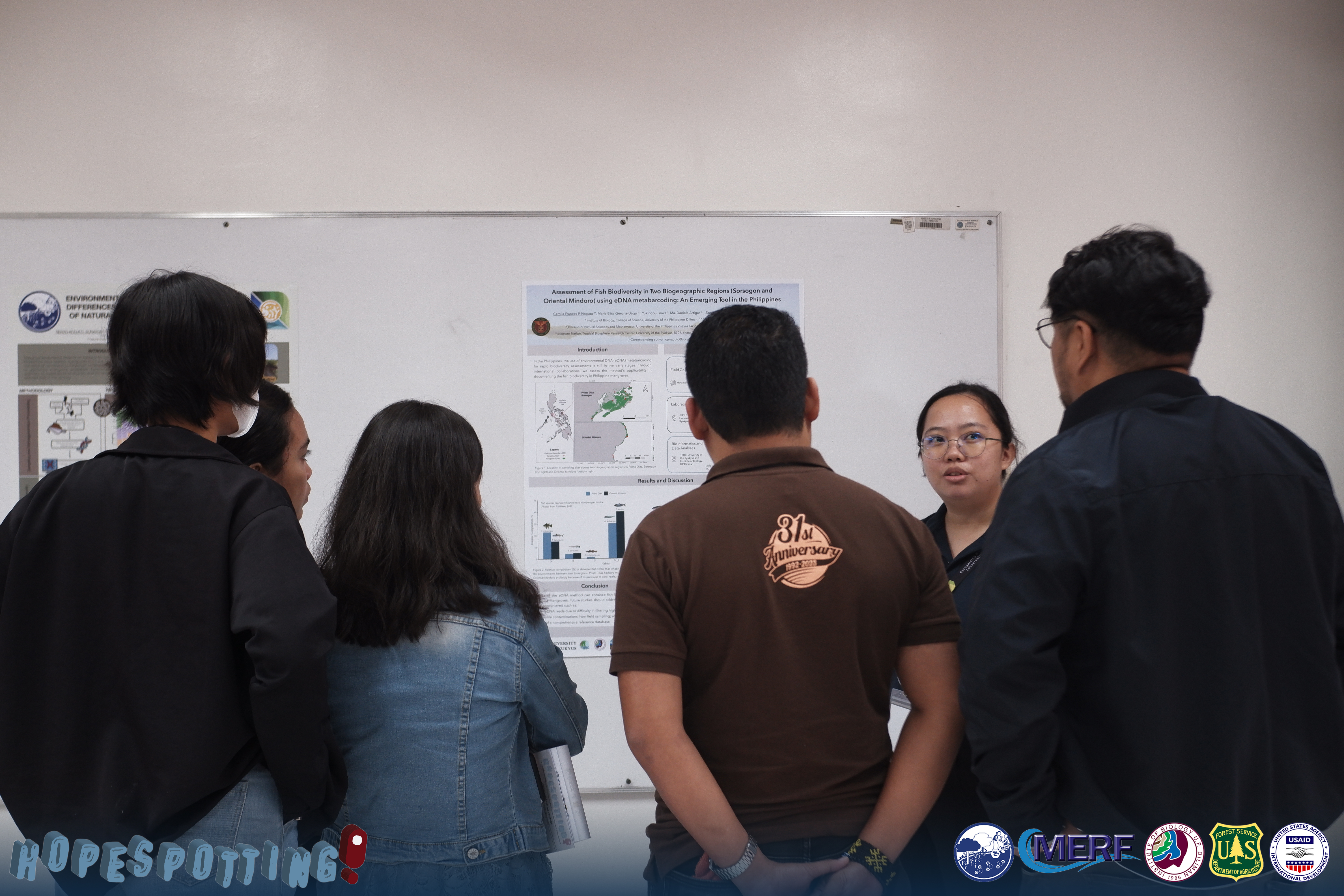
The participants went around the room to view ten posters from studies conducted on the project. The partners discussed with some of the primary authors of these studies. The engaging poster session ended the morning session of the first day.
Please refer to the list below for the poster titles and their primary authors.
| Poster Title | Primary Author |
| InMSEA: Integrated Network-Based Management for Southeast Asia Coasts | Dr. Severino G. Salmo III |
| Learnings on the Development of a Mangrove Status Reporting Form and Data Dashboard | Camila Frances P. Naputo |
| Environmental DNA Metabarcoding reveals Differences in Sediment Bacterial Diversity of Natural and Recolonized Mangroves in the Philippines | Renzo Kouji Suratos |
| Assessment of Fish Biodiversity in Two Biogeographic Regions (Sorsogon and Oriental Mindoro) using eDNA metabarcoding: An Emerging Tool in the Philippines | Camila Frances P. Naputo |
| Unveiling a Hidden World: The assemblage and diversity of epiphytic lichens in different mangrove habitats of Oriental Mindoro, Philippines | Andre Jacques Fallaria |
| Inferences on the role of different mangrove stands in mollusk biodiversity and assemblages in Philippine mangroves | Jalyssa B. Fermo |
| Variations in chlorophyll fluorescence-derived photosynthetic parameters imply stressed seedlings under different mangrove conditions | Maria Elisa Gerona-Daga |
| Litter Dynamics of Naturally Colonized Mangrove Forests in Abandoned Aquaculture Ponds in Southern Oriental Mindoro, Philippines | Precious B. Jacob |
| Comparative Analysis of Total Ecosystem Carbon Stocks Across Different Mangrove Stands | Sean B. Manalo |
| Optimizing “Blue Carbon” Information as a Complementary Strategy to Mangrove Conservation and Restoration: A Meta-Analysis on Carbon Stocks in Philippine Mangroves | Dr. Severino G. Salmo III |
The afternoon session featured seven technical presentations from the studies supported by the project. The RAs of the project delivered most of the talks except for Miss Jalyssa Fermo, who was an undergraduate advisee of Dr. Salmo, and Dr. Dacones, who is a professor at the Institute of Biology and the co-adviser for one of the undergraduate advisees of Dr. Salmo III.
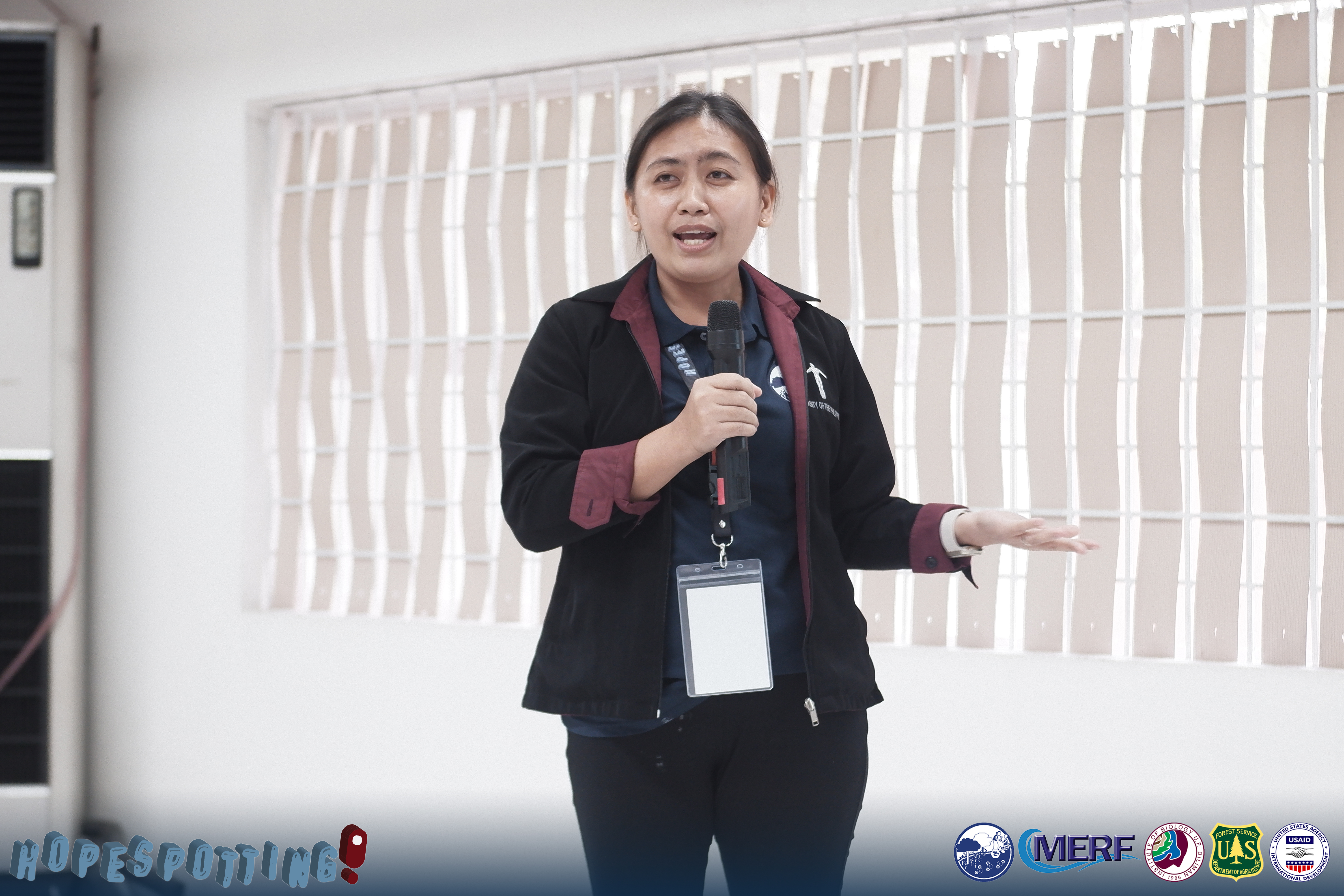
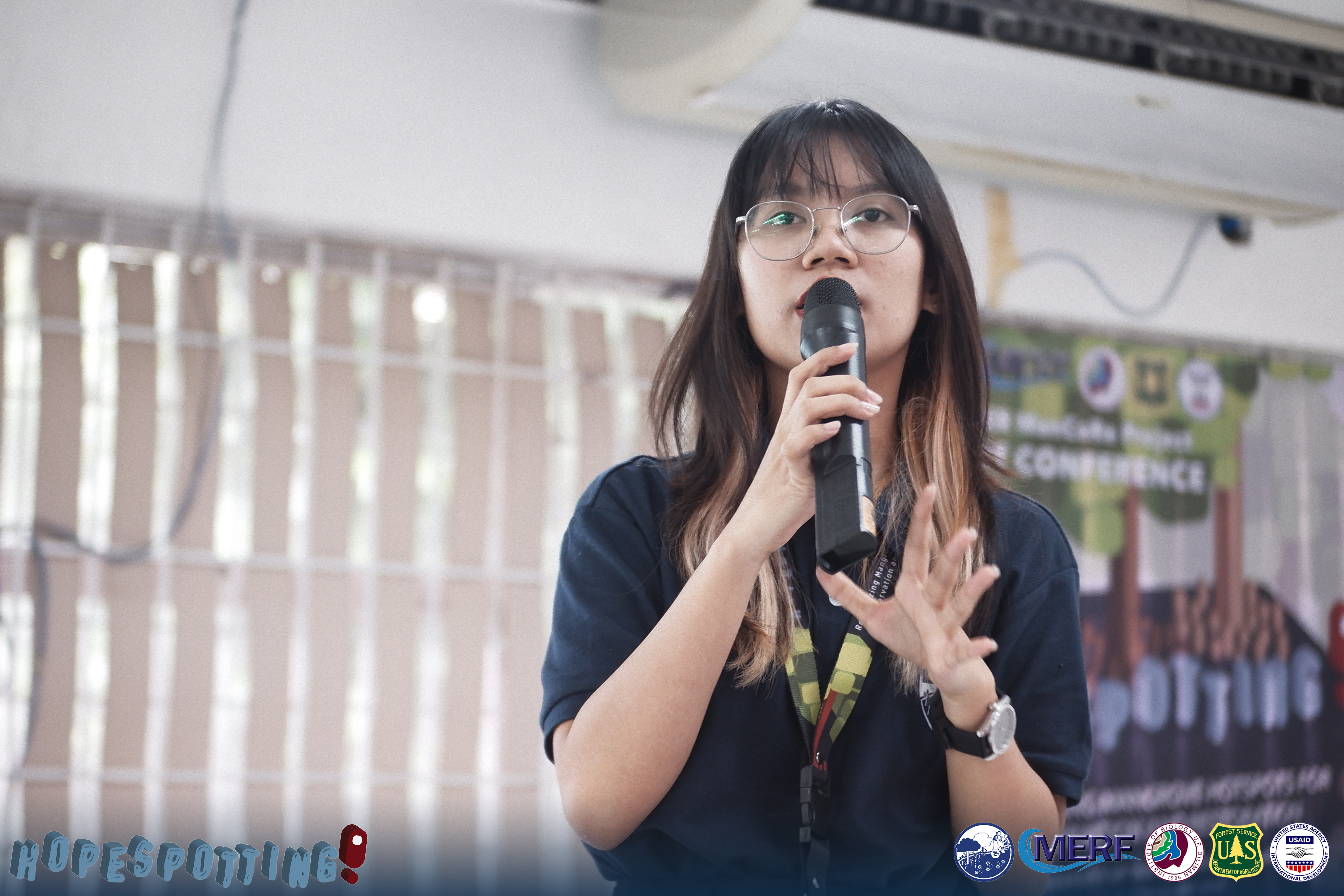
Ms. Camila Naputo started the technical presentations with her talk: “Addressing Knowledge Gaps in Philippine Mangrove Biodiversity Using an Innovative Tool”. She discussed the use of eDNA metabarcoding to investigate mangrove biodiversity. It is a semiquantitative tool that can process data faster and detect cryptic and transient species better compared to traditional sampling methods. However, this novel method still cannot replace the former. Instead, eDNA metabarcoding should be used as a complementary method. Key findings show that species composition is highest in the natural stands, followed by the planted stands, and then the recolonized stands. A high species overlap across the mangrove sites implies that similar species can be found in all the stand types, along with the seagrass meadows, coral reefs, and the open sea.
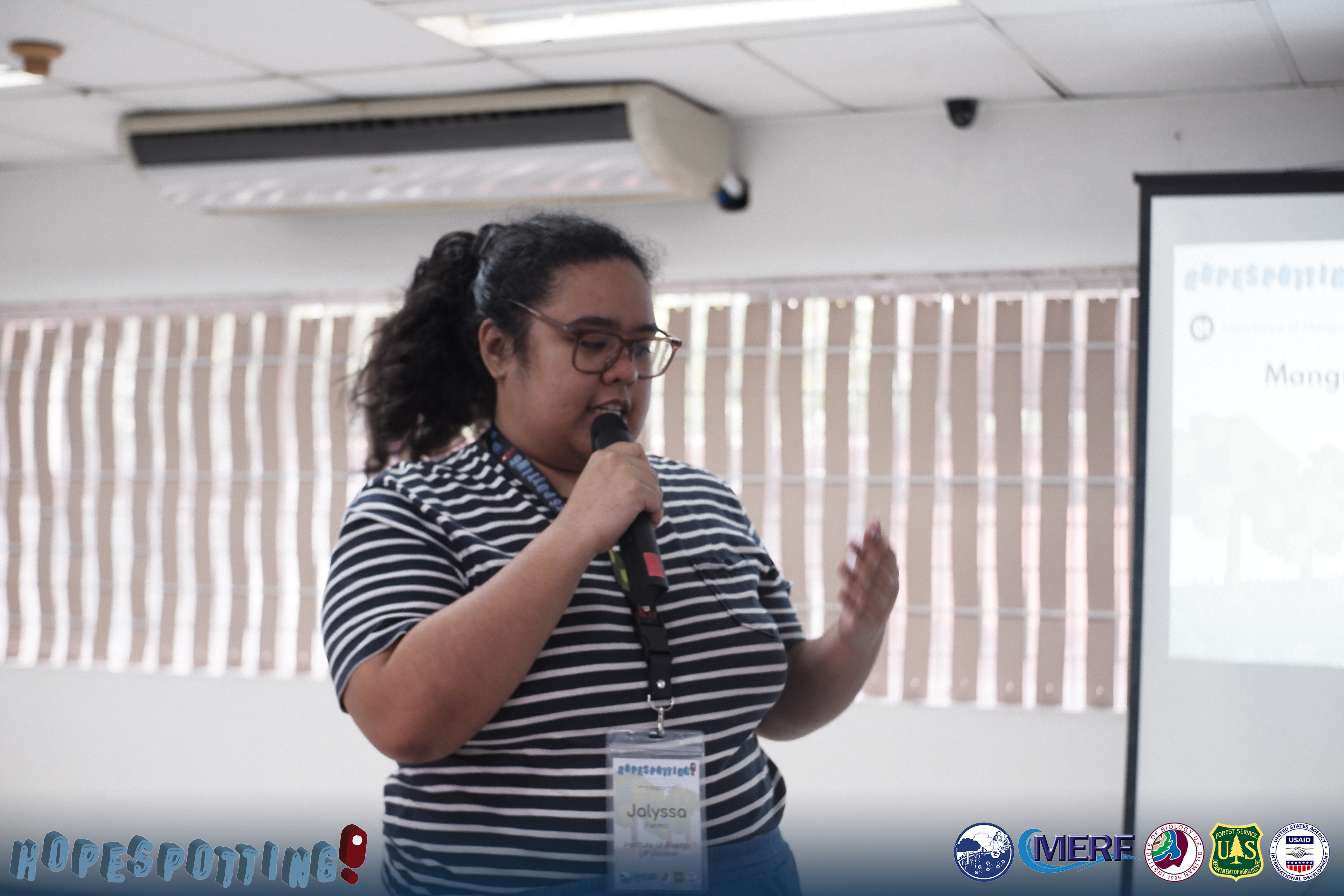
Ms. Fermo presented “Inferences on the Role of Different Mangrove Stands in Mollusk Biodiversity and Assemblages in Philippine Mangroves”. She studied the species richness, abundance, and condition factor of mangrove mollusks in the municipalities of Bongabong, Mansalay, and Roxas in the province of Oriental Mindoro. Her results revealed that mangrove mollusks in recolonized fishponds can have the same biodiversity and assemblage as the natural stands as they recover. Dr. Yasmin Primavera-Tirol commented on the commercial potential of mangrove mollusks. This can be linked to livelihood and market access to encourage the support of the community in conserving and restoring mangroves.
Dr. Dacones gave the last biodiversity-themed talk with her presentation titled, “The Assemblage and Diversity of Epiphytic Lichens in Different Mangrove Habitats of Oriental Mindoro, Philippines”. This talk is from the study made by Mr. Jacques Fallaria, one of the undergraduate advisees of Dr. Salmo III. His study was the only mangrove study from the Philippines that qualified for oral presentation at the 6th International Mangrove Macrobenthos and Management Conference (MMM6) in Colombia. Lichens are a symbiotic relationship between a fungus, a photosynthetic partner, and yeast. The study gave evidence that the clustering and zonation gradient of lichens in different mangrove stands can function as indicators in tracking the effectiveness of restored mangroves.
Ms. Maria Elisa Gerona-Daga, Ph.D. candidate and advisee of Dr. Salmo III, then presented a part of her dissertation. Her talk titled, “Applying Eco-physiological Measurements In Assessing the Health of Mangrove Seedlings” highlighted how seedlings are the hope of future mangrove forests. She introduced the concept of photodamage, photosynthetic efficiency, photoprotection, and leaf thermoregulation as measured by the novel instrument called PhotosynQ.
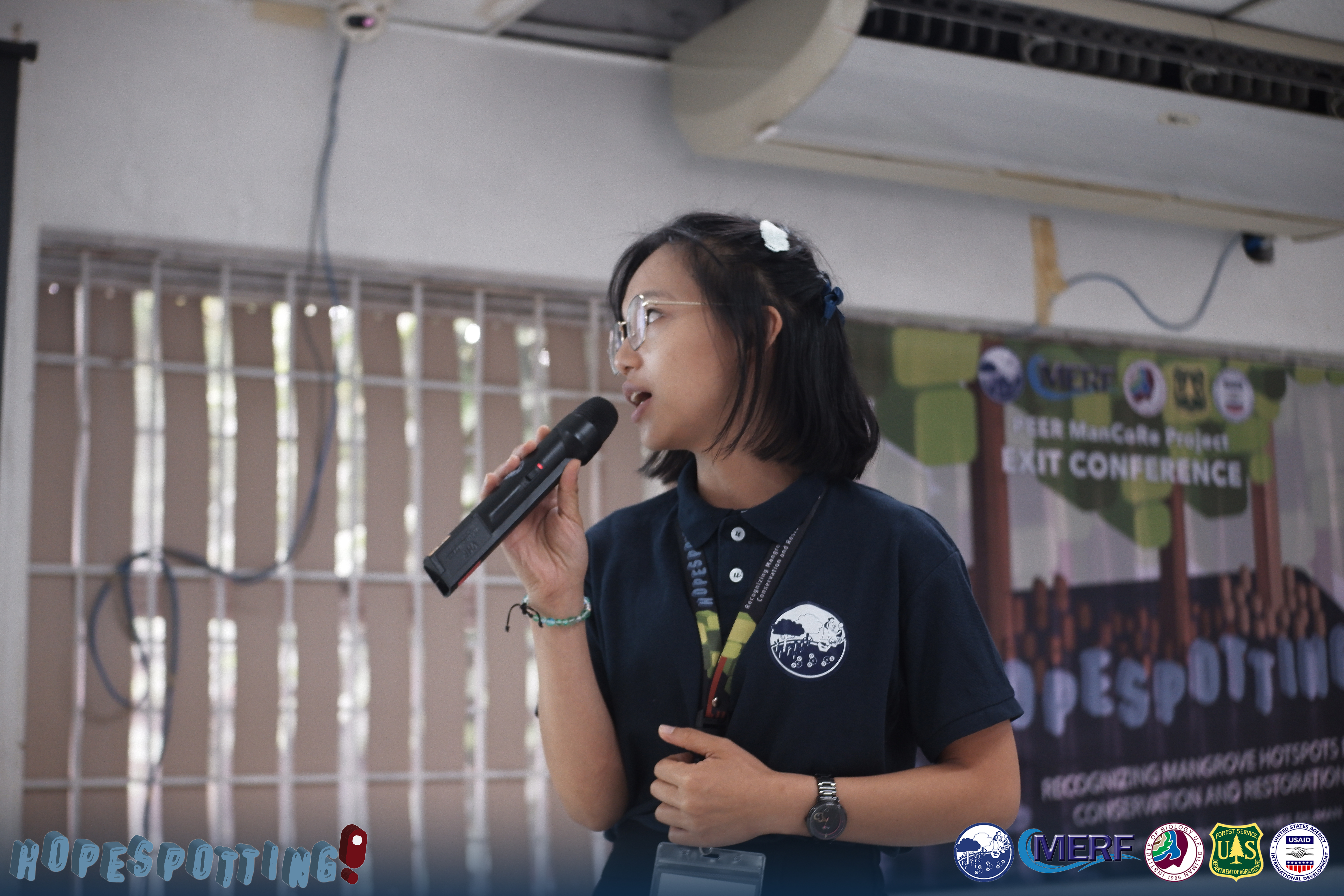
Ms. Precious Jacob presented “A Litter Perspective: Finding Empowerment in Mangrove ‘Wastes’”. Litter production in old-grown, natural forests far outweighs those of the young colonized stands. The increasing trend in litter production rate with stand age was observed for the recolonized stands. However, proving forest recovery using production rate alone is insufficient. Supplementing production studies with other aspects of litter dynamics like litter degradation, such as in Ms. Jacob’s undergraduate thesis, provides the needed empirical evidence for this. Litter decay in young colonized stands is similar to that of the old-grown natural stands. Hence, the colonized stands can function as the natural stands as they mature. Frustrations on the legal and social aspects of the management of abandoned fishponds were expressed by some of the participants after the talk.
Ms. Mareah Maramag ended the series of technical talks with her presentation “Soil-scapades: Delving Into the Depths of Philippine Mangrove Sediment Carbon Stocks”. She showed how carbon stocks differ in different areas in the Philippines thus showing the need for more local studies. She also explained why we estimate carbon stocks, how carbon stocks are analyzed, and how it is used to identify and prioritize restoration sites. Key findings show that recolonized stands have the highest carbon stocks.
A planned Institute of Biology tour should have followed the technical presentations. This will allow the participants to see firsthand the work at the laboratory. However, the tour was canceled due to the occurrence of an earthquake. Still, the participants had a fun photo opportunity with the UP Oblation to end the day.



DAY 2 HIGHLIGHTS
The first day of the exit conference recognized the fact that restoration is necessary. The talks explained where our hope for restoration lies. The second day of the conference urged the participants to take a step back and ask, “Are our efforts for restoration headed in the right direction?”
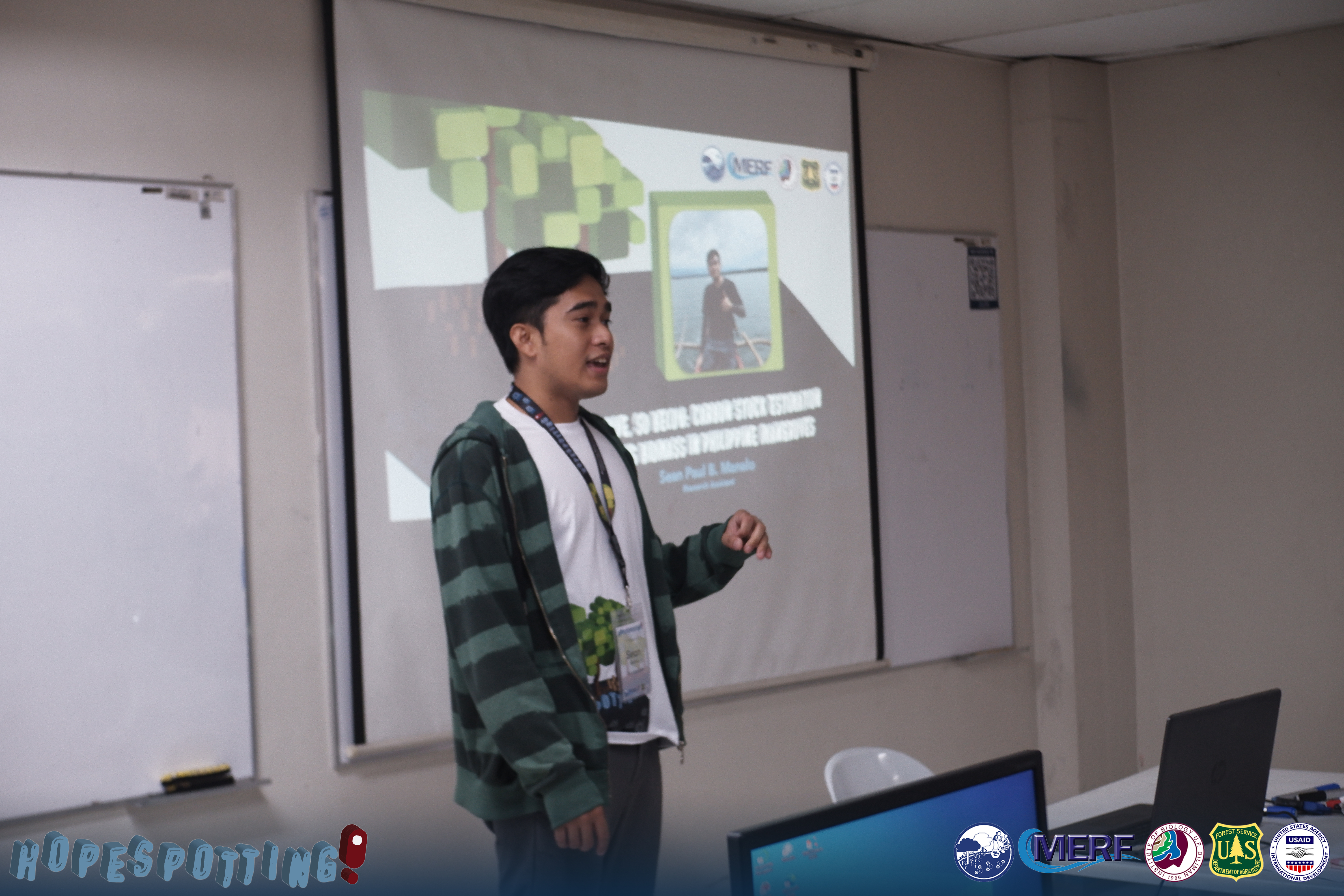
Mr. Sean Manalo, research assistant, opened the day with his talk titled, “As above, so below: Carbon Stock Estimation of Living Biomass in Philippine Mangroves”. He discussed the summation of all carbon stock from different carbon pools. Results suggest that blue carbon estimates vary based on stand type, age, and zonation. Natural stands recorded higher biomass and carbon stocks than the recolonized ones. The time required for disturbed stands to recover can also be measured using carbon stock estimates. This can help determine priority sites for conservation and restoration to see if our efforts are on the right track.
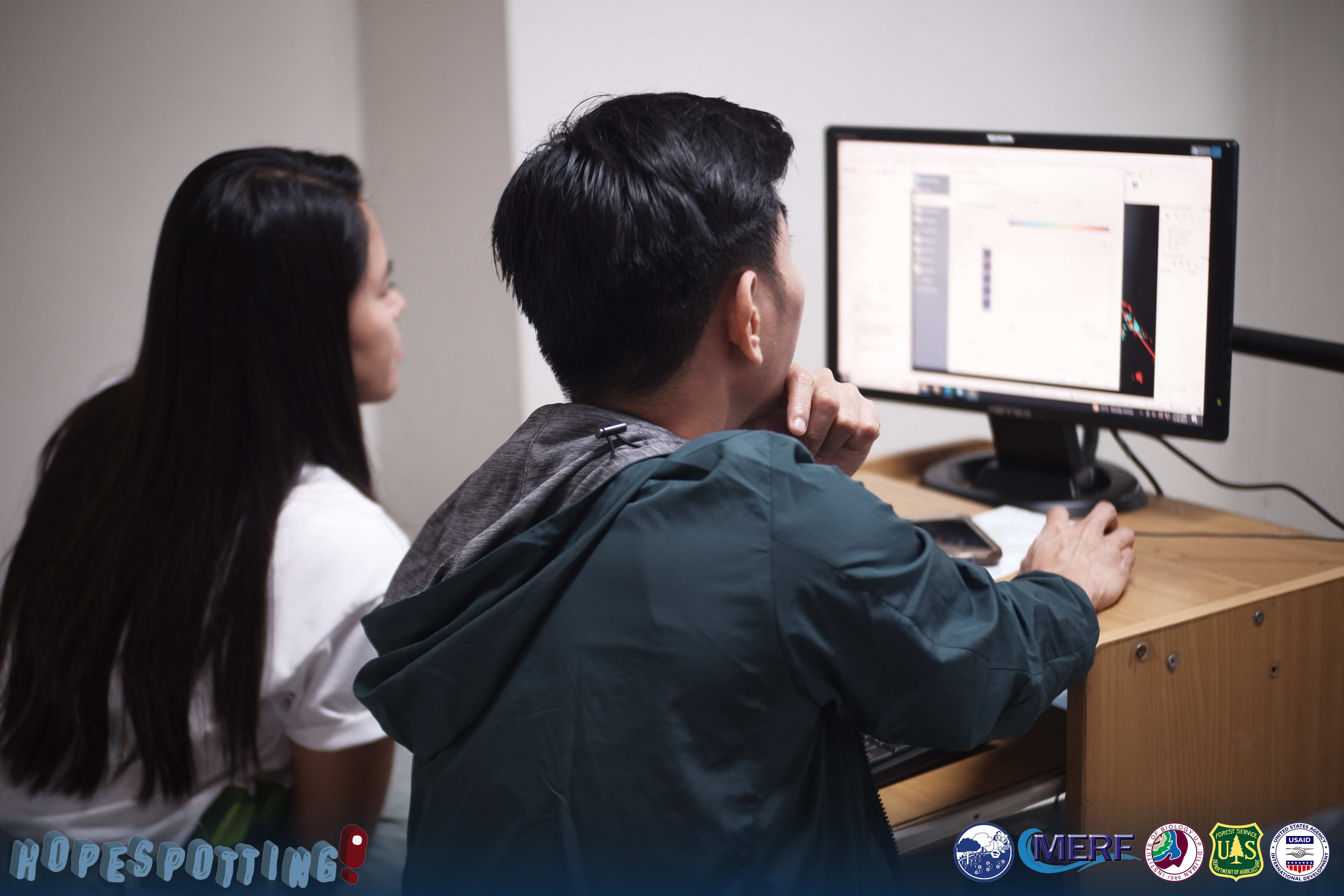
The participants had a mangrove restoration mapping activity facilitated by Engineer Kristina Ticman. The participants were grouped by pairs to have a hands-on experience with using the Geographic Information System (GIS) for tracking spatiotemporal changes in Philippine mangroves.
The afternoon session started with a talk from Dr. Dixon Gevaña, the second guest speaker of the conference. Dr. Gevaña is a Professor from the Department of Social Forestry and Forest Governance at UP Los Banos. His talk titled “Sustaining Partner Engagements Beyond Project Completion” brought attention to sediment and hydrology as the up-and-coming threats to mangrove loss. He brought up black sand mining, oil palm plantations, and road developments as causes of massive sediment loss. Meanwhile, high seawall structures, coastal dredging, and pasture land or cattle ranch may cause flooding and mangrove mortalities. These new threats to mangrove survival require us to consider an integrative ridge-to-reef approach. Further, we are no longer just competing against time in restoration, but also against space. Hence, there is a strong need for a clear national legal framework for the creation of a mangrove conservation and restoration ‘roadmap with a map’. Without a clear agenda that clearly defines restoration sites, there will be no prioritization. This slows down restoration and confuses funding allocation. Strong communication among relevant stakeholders, especially with the local community, will be the lifeline of this roadmap.
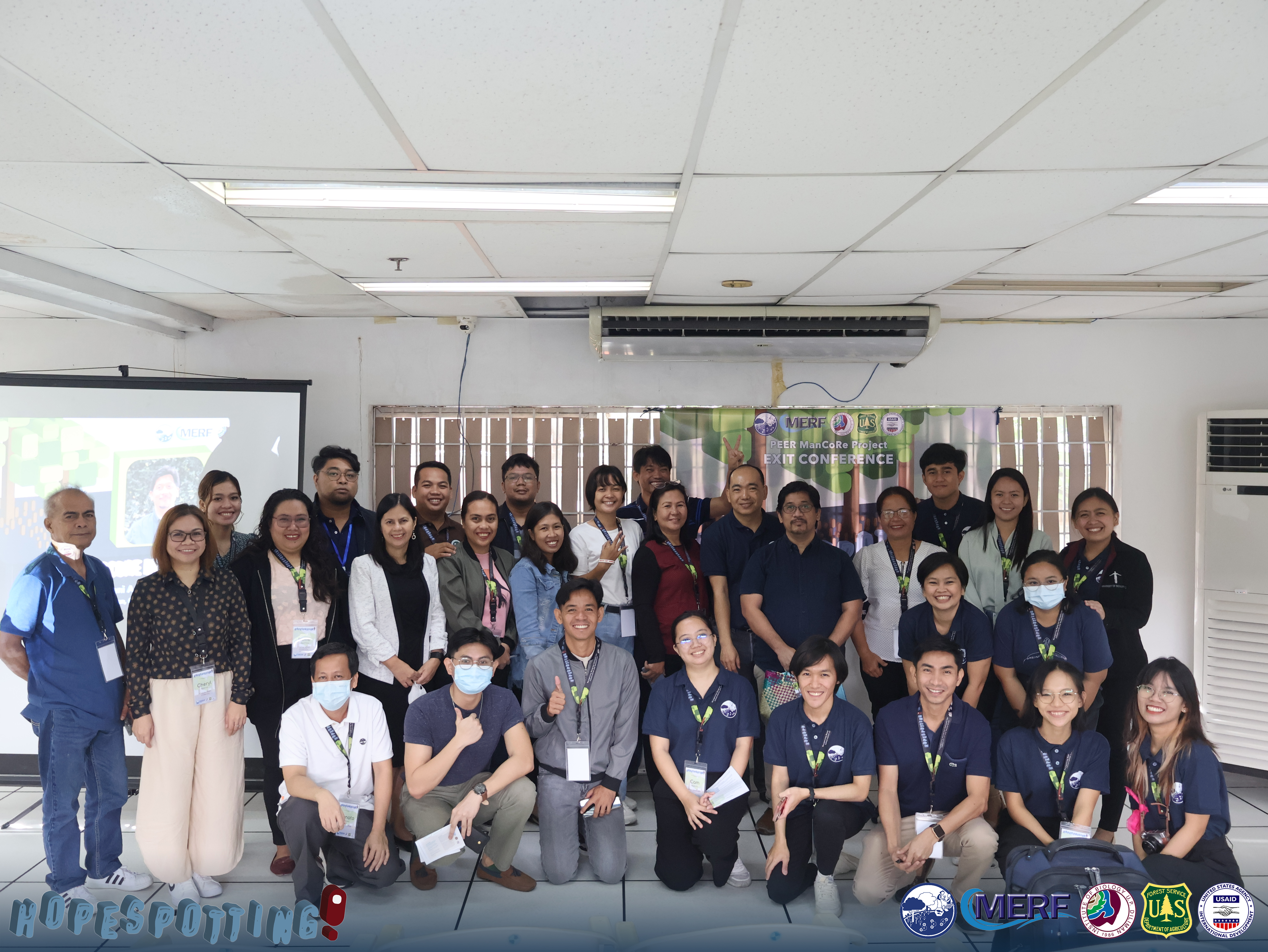
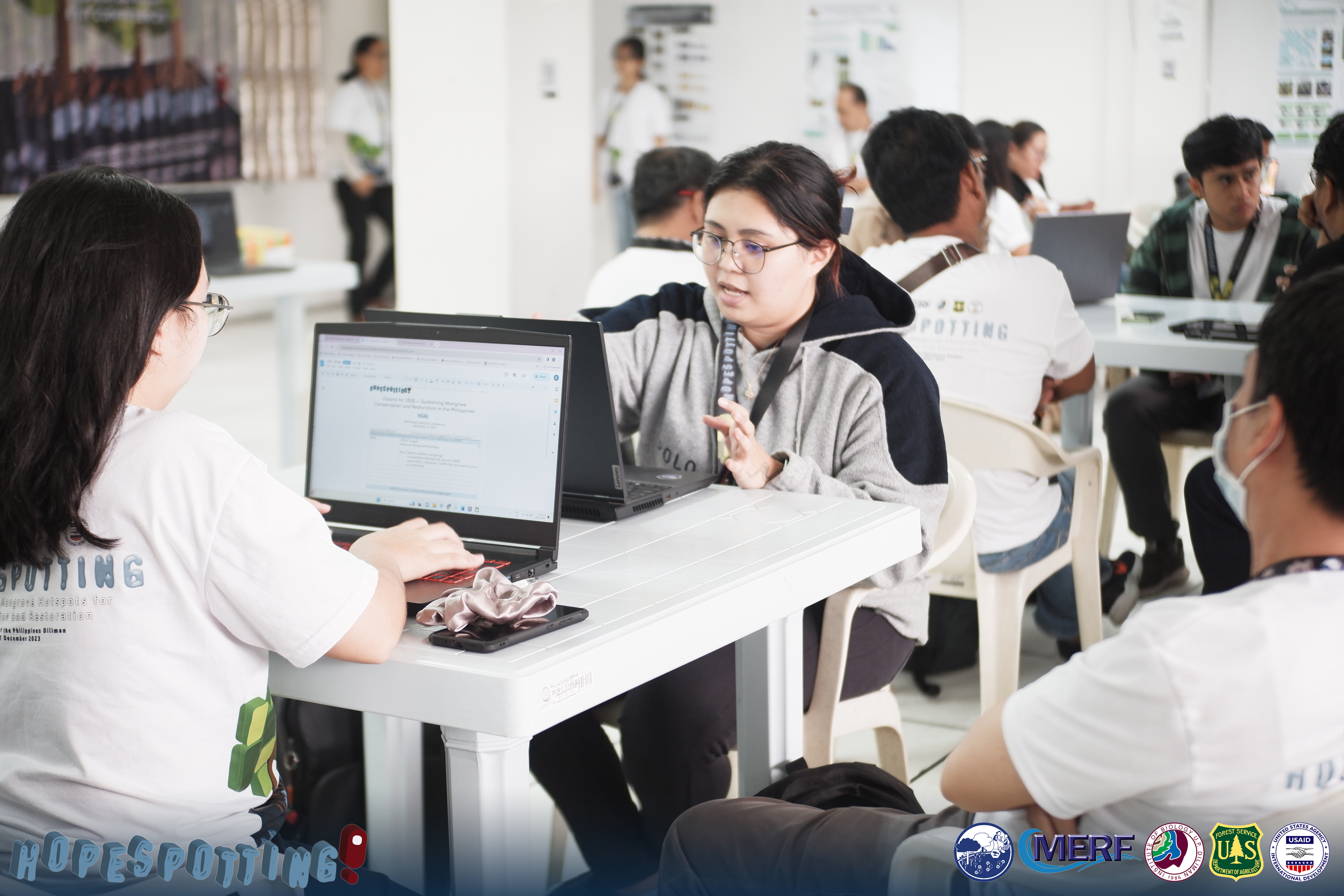
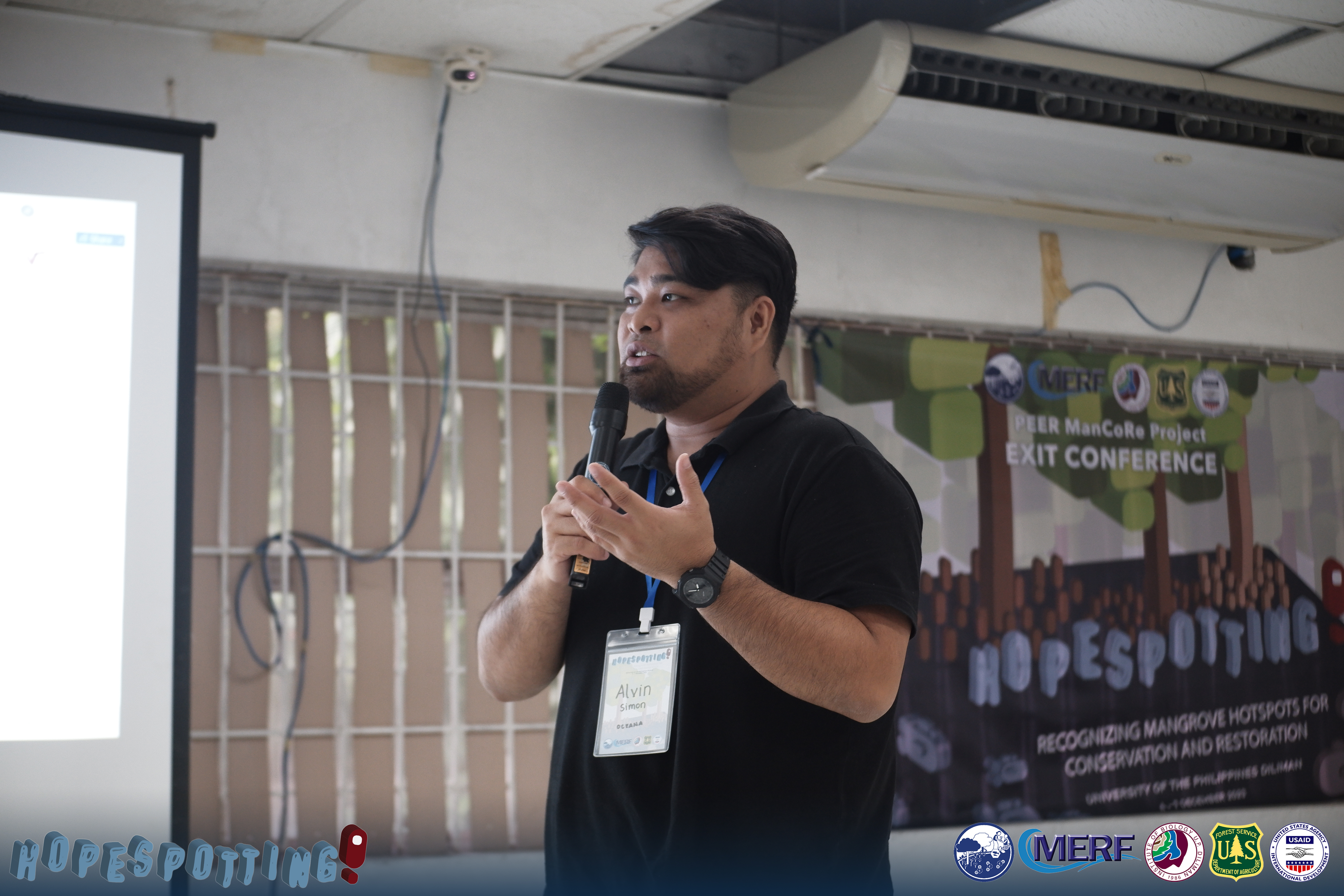
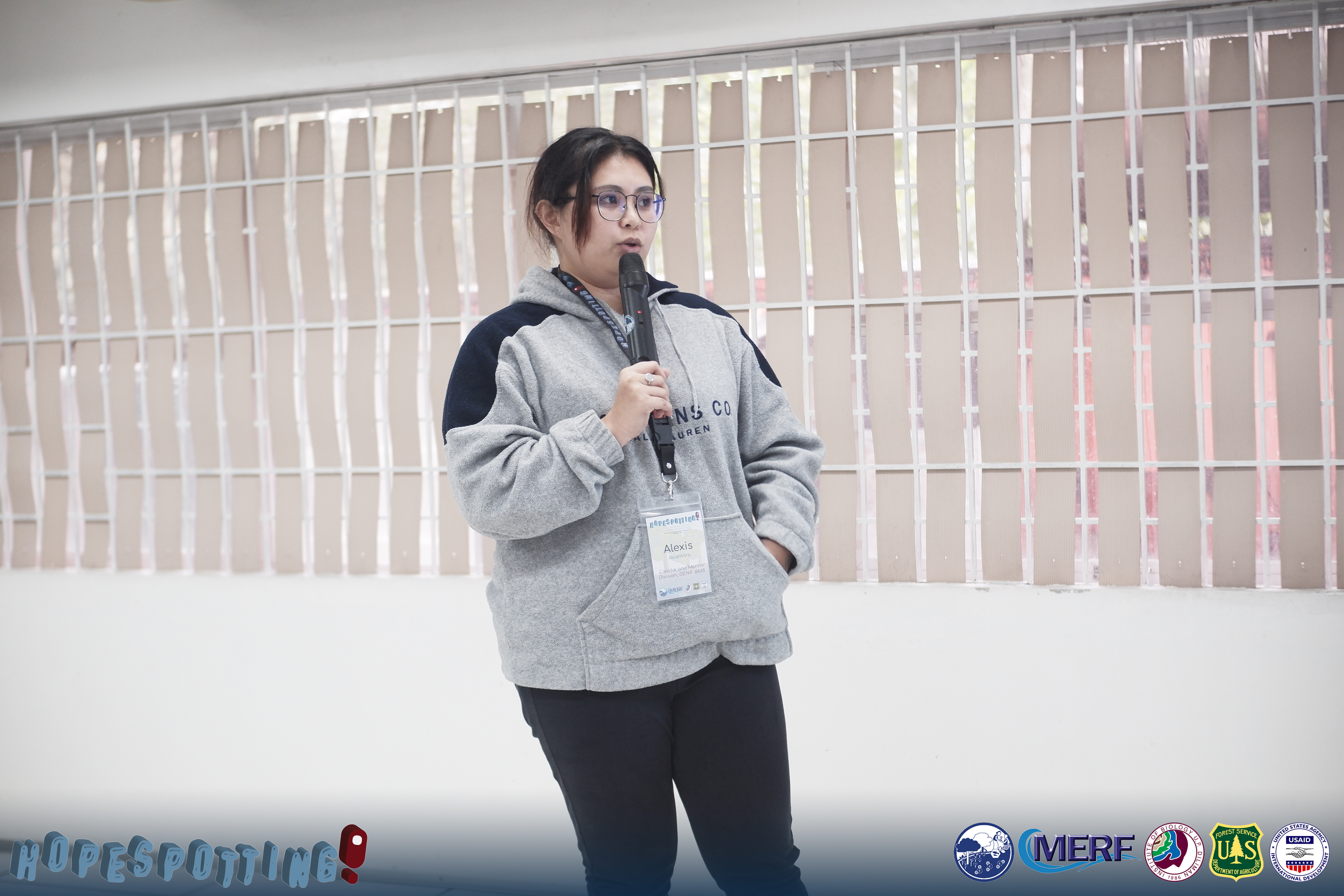
After the inspiring talk from Dr. Gevaña, the participants had a workshop that tackled their visions for mangrove conservation and restoration for 2030. For the workshop, the participants were grouped per institution as academe, NGAs, NGOs, and LGUs. Each group then presented how they envision mangrove conservation and restoration in the Philippines by 2030, their current efforts, challenges, and plans to improve their mangrove conservation and restoration projects. Dr. Yasmin Primavera-Tirol from the Aklan State University, Mr. Alvin Simon from OCEANA, Ms. Alexis Alcantara from the Coastal and Marine Division – Biodiversity Management Bureau, and Miss Nerissa D. Cuna from the Provincial Agriculturist’s Office Oriental Mindoro represented the academe, NGOs and POs, NGAs, and LGUs, respectively. All groups had a positive outlook for mangrove conservation by 2030 and showed a willingness to support continued collaboration.
Ms. Naputo quickly discussed an infographic template that LGUs can use in presenting their state of the mangrove report for policy considerations.
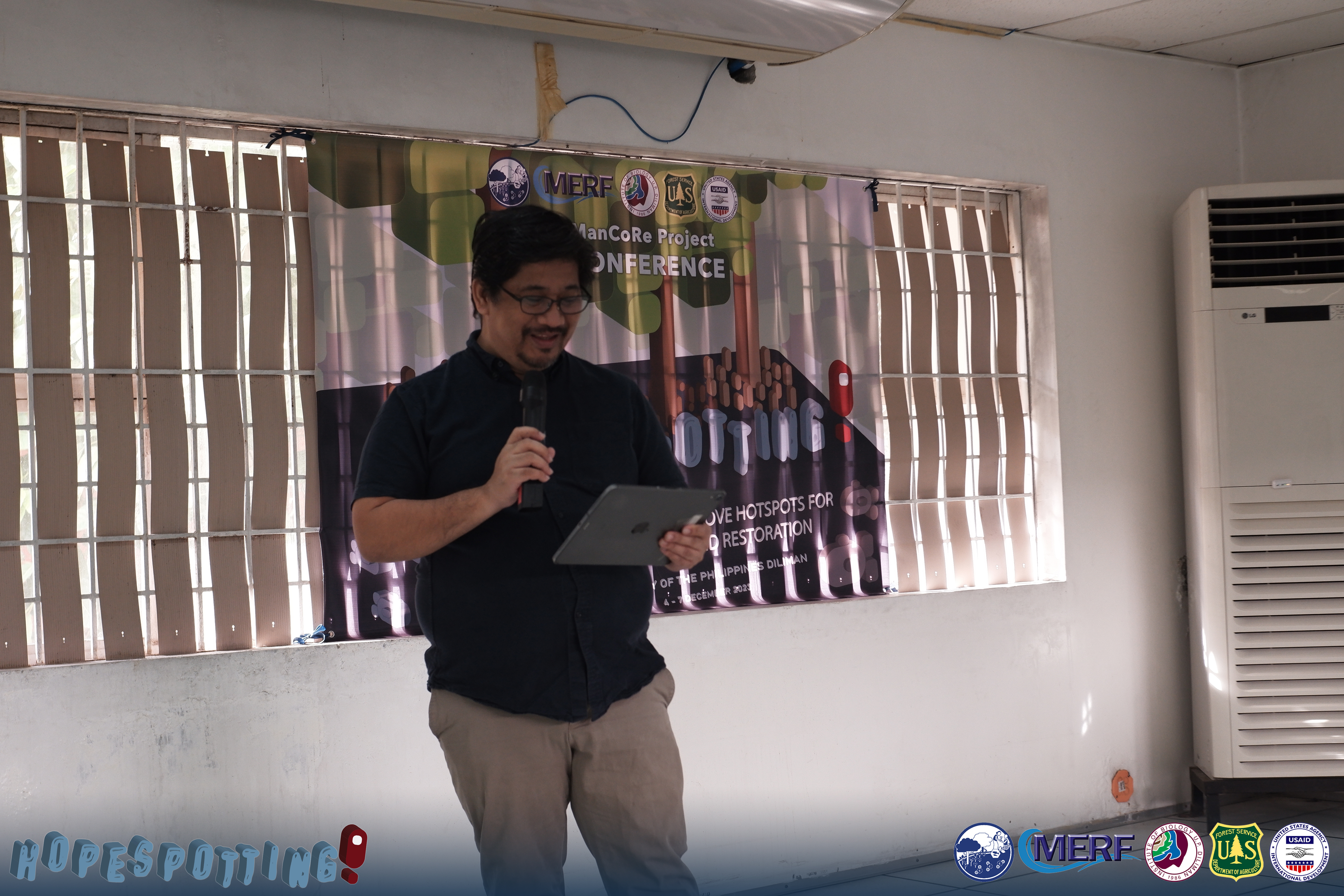
Dr. Salmo III then gave his closing talk on the PEER ManCoRe summary and ways of moving forward. The Project leader looked back at everything the project achieved so far, all with the help of the long-time and current project partners. Truly, much has been done but there is much we still have to do. We have to know where to restore, what to restore, and how to restore.
Dr. Ian Fontanilla, the director of the Institute of Biology, thanked all participants for their presence and passion for Philippine mangroves in his closing remarks. The current partners were briefly recognized before the program officially ended. Everyone was invited to the University Hotel for a farewell dinner.







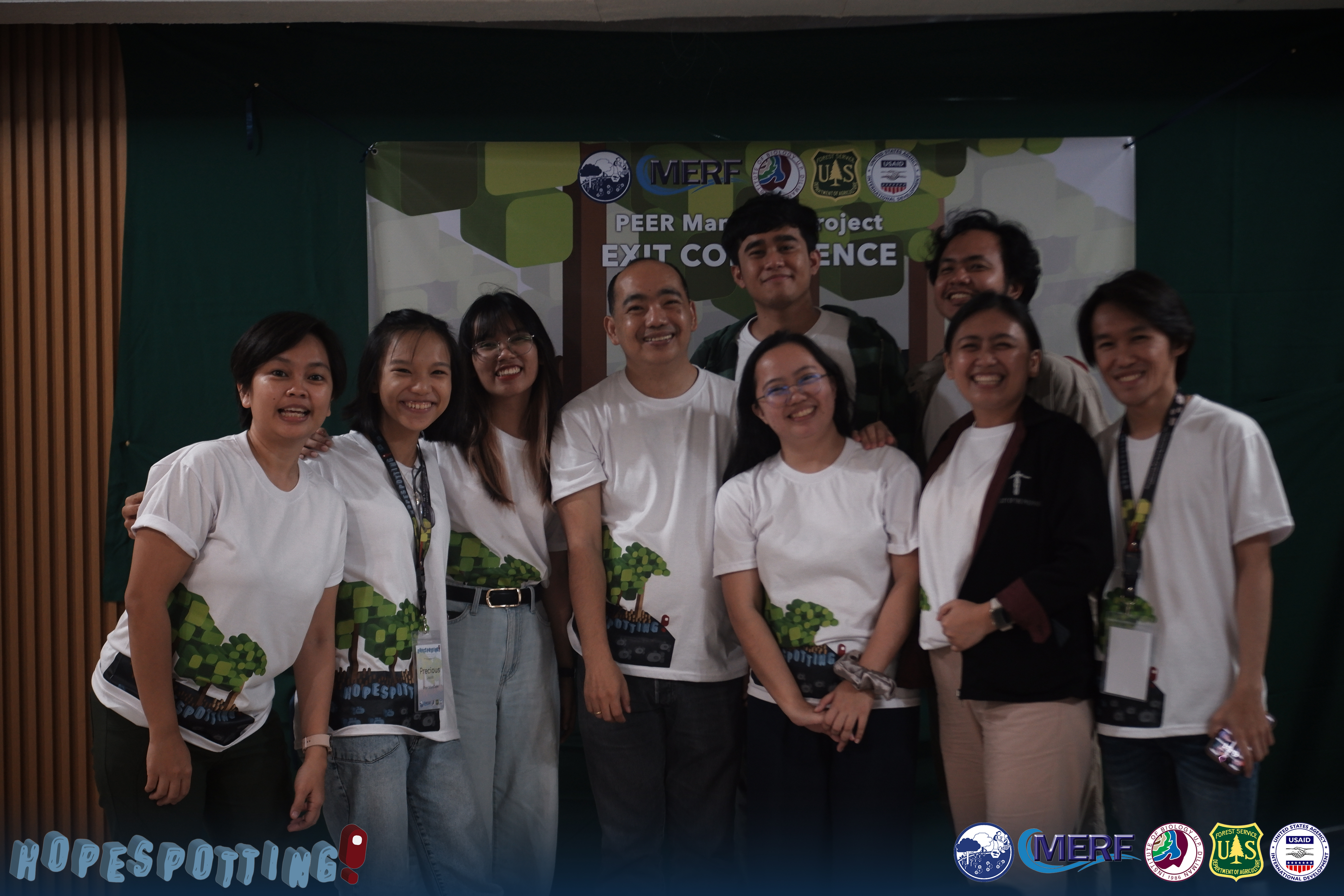
Again, we thank everyone who attended our Hopespotting Exit Conference. May we continue to work together towards a better tomorrow for the Philippine mangroves!
Please visit this link to access the full program documentation, files, and other photos. Thank you!
 Mangrove Ecology